As Saudi Arabia’s outbound MICE sector matures, planners are moving beyond traditional incentive templates toward more strategic, ROI-driven international programmes. With Vision-led corporate ambition shaping boardroom priorities, destinations are now evaluated not only for scale and prestige, but also for operational efficiency, cultural depth and measurable value creation.
Industry leaders from Alfaris International Travel and Tourism, ATS Travel, Abercrombie & Kent Arabia and ITL World outline how destination preferences, programme design and approval structures are evolving for 2026 and 2027.
On Destination Momentum
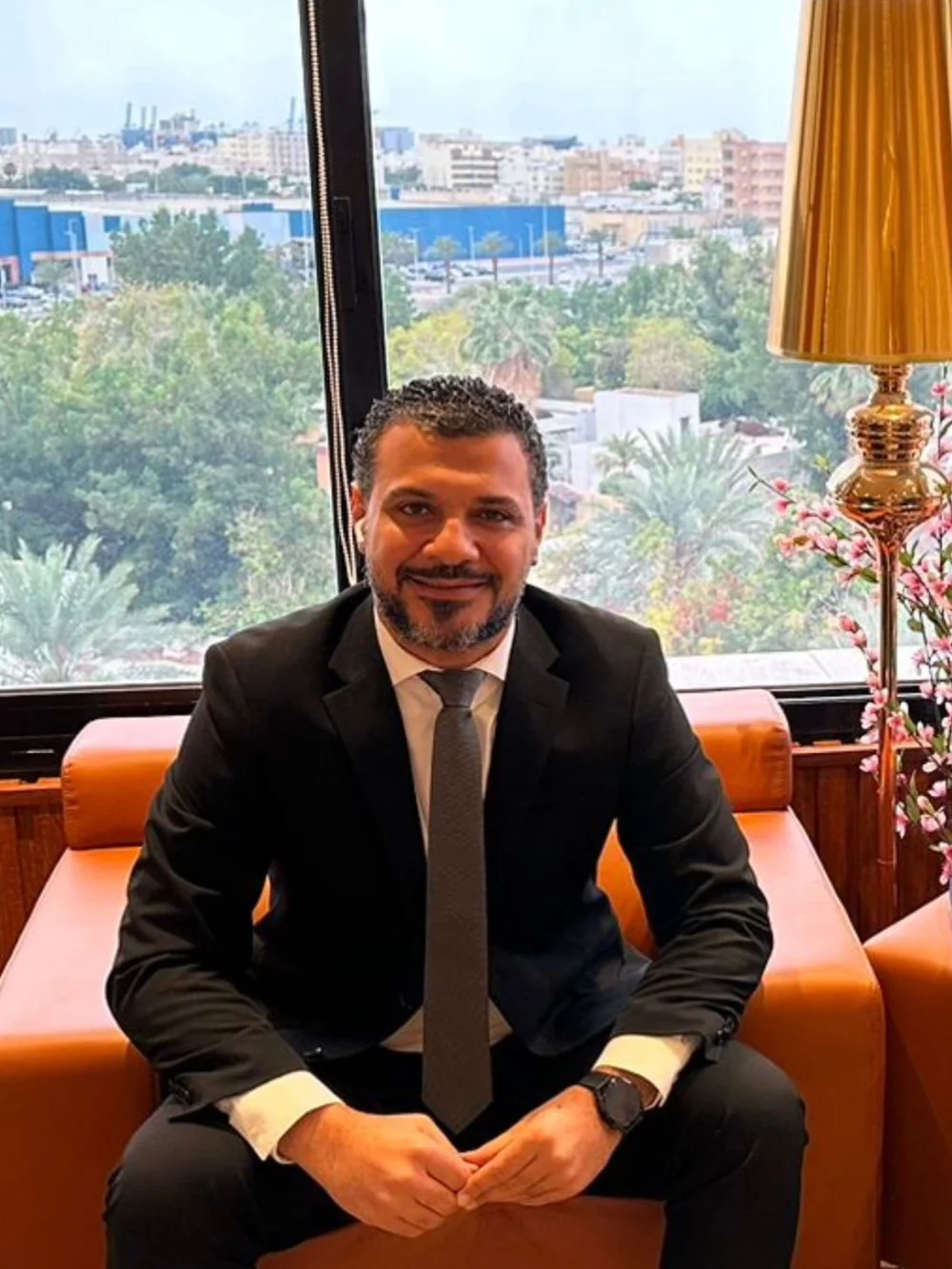
Amr Al Gazzar
Regional Director of Operations
Alfaris International Travel & Tourism
According to Amr Al Gazzar, Regional Director of Operations, Alfaris International Travel and Tourism, the current spike in interest centres around “Dubai, Lisbon and Bangkok, driven by their unique blend of culture and business facilities.”
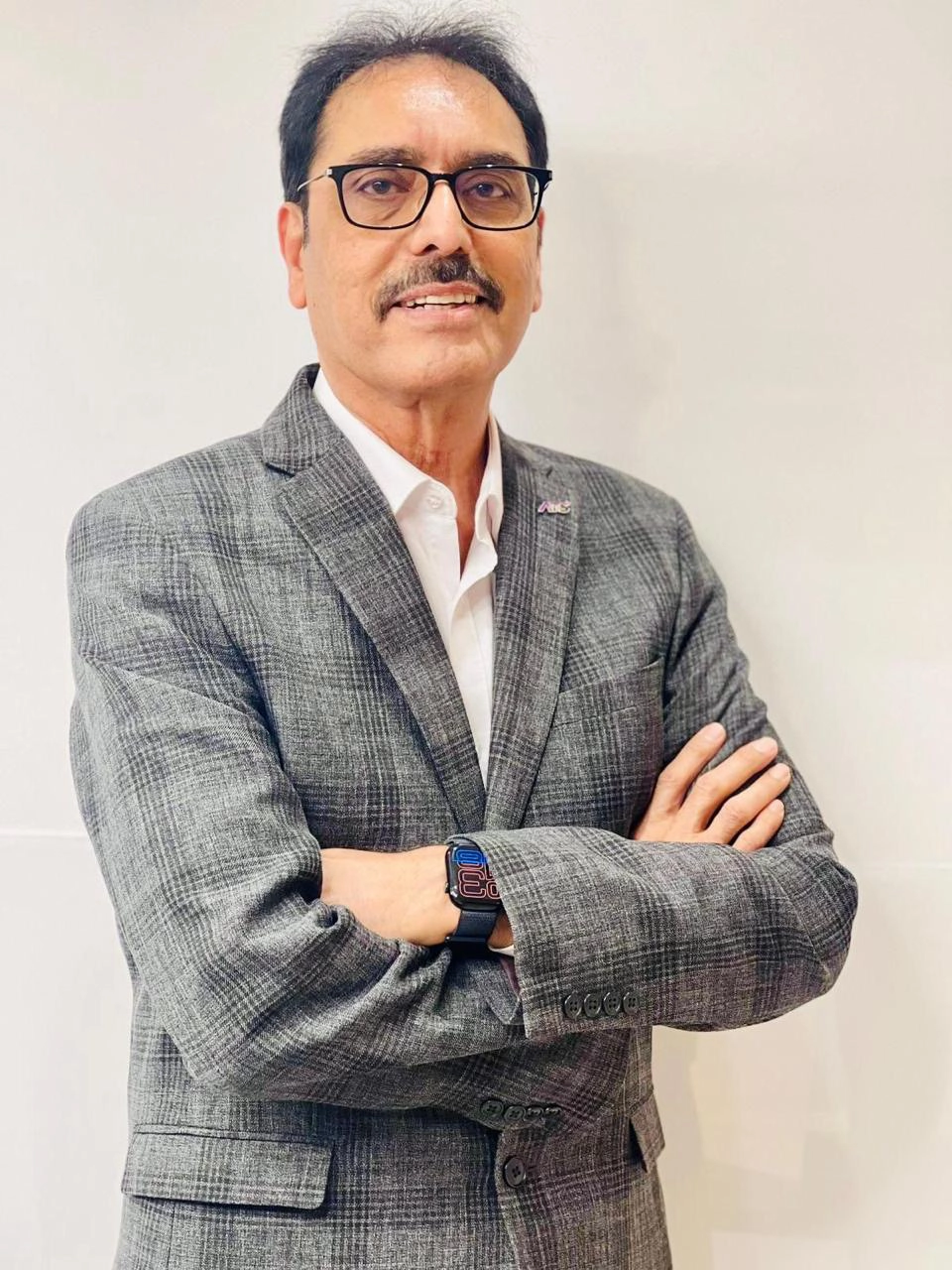
Salim Wawda
General Manager
ATS Travel
Meanwhile, Salim Wawda, General Manager, ATS Travel, highlights strong forward momentum toward Southern Europe. “For 2026 and 2027, we are seeing significant demand for Italy, Greece, Poland and Switzerland, driven by premium infrastructure, iconic venues and improved air connectivity from Saudi Arabia.”
He adds that emerging destinations such as Azerbaijan and Kazakhstan are gaining traction due to shorter flight times and competitive luxury pricing, while Southeast Asia — particularly Thailand and Vietnam — continues to perform strongly for large-scale incentives.
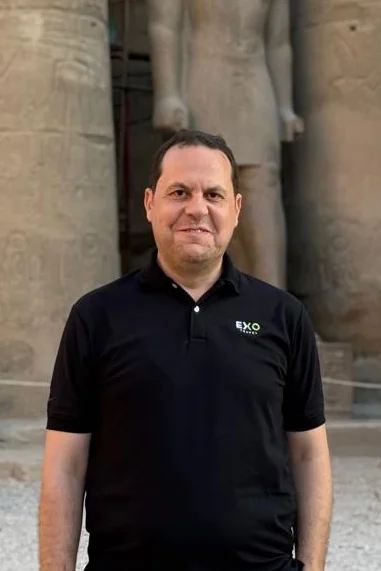
Mohamed Ismail
EXO Egypt General Manager
Abercrombie & Kent Arabia
From a global luxury perspective, Mohamed Ismail, EXO Egypt General Manager, Abercrombie & Kent Arabia, notes that “Dubai and the wider UAE remain dominant due to world-class convention infrastructure and integrated luxury-business experiences.” He also sees sustained growth toward Singapore and major Western European hubs such as London, Paris and Barcelona.
Across the board, connectivity, venue quality and blended business-leisure offerings are the primary drivers. As Wawda summarises, “Saudi planners today are balancing aspirational luxury with logistical efficiency and measurable ROI.”
On Shifting Program Requirements
If destination shortlisting is evolving, programme design is undergoing an even sharper transformation.
“The era of standard gala dinners is over,” says Wawda. “Saudi MICE clients now demand immersive and exclusive experiences — private venue buyouts, curated cultural immersion and leadership-focused wellness components are becoming non-negotiable.”
Elgazzar echoes this shift, noting that clients are increasingly asking for “immersive cultural experiences, interactive technology and bespoke leisure activities.”
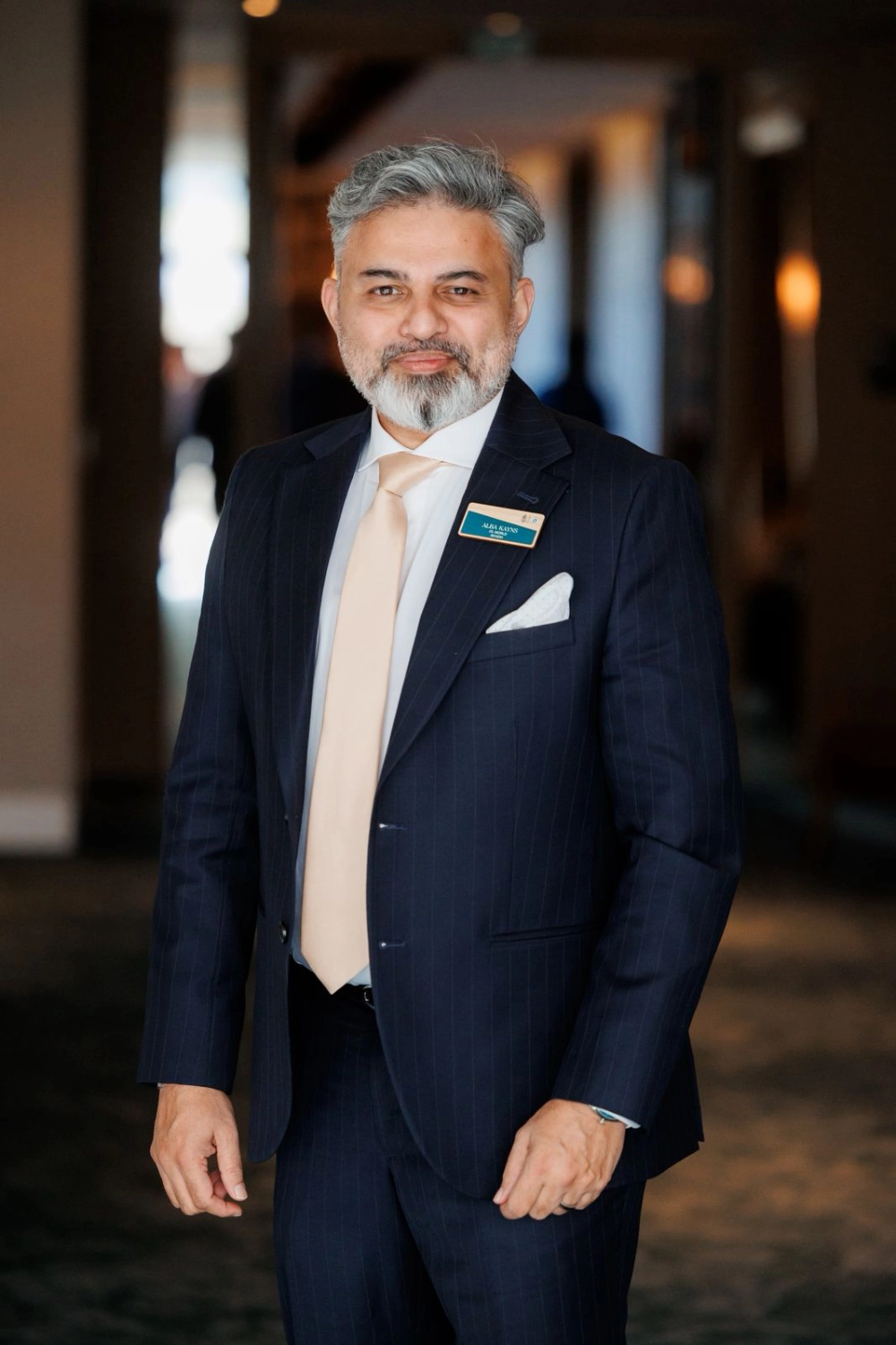
Alba Kayns
Business Head
ITL World
From ITL World, Alba Kayns, Business Head, highlights a parallel evolution in expectations. “Saudi MICE clients are increasingly prioritising experiential value beyond conventional meeting formats. There is strong demand for culturally engaging, exclusive experiences — from private access to heritage sites to curated local interactions and premium events not accessible to individual travellers.”
He adds that luxury and personalisation now underpin programme design. “High-end accommodations, private transport, bespoke culinary journeys and environments that reflect corporate identity are essential. At the same time, we are seeing a growing emphasis on wellness and lifestyle integration, with programmes balancing work, relaxation and meaningful engagement.”
Ismail adds that curated cultural immersion, high-impact incentive elements and wellness integration now sit at the core of programme architecture. “Clients expect programmes that are not just productive, but meaningful, premium and memorable.”
Luxury shopping districts and outlet villages are also emerging as structured components within itineraries, particularly in Europe and the UAE, where retail experiences are aligned with corporate reward strategies.
On Planning Dynamics
Decision-making structures have become markedly more disciplined.
“The process is far more structured today,” says Wawda. “CFOs are more involved, and green-light criteria now focus on total cost transparency, connectivity, visa efficiency and destination stability.”
Elgazzar observes a similar trend: “The decision-making process has become more data-driven, with a focus on ROI, sustainability and personalised itineraries.”
Offering a slightly different perspective, Alba Kayns notes a shift toward greater agility in certain segments. “Lead times, particularly for incentive travel, are shortening, with many programmes now being confirmed within a 3–6 month window, driven by market responsiveness and competitive pressures.”
She also highlights a change in group structuring. “Instead of one large delegation, companies are increasingly opting for multiple smaller, purpose-driven groups — such as leadership retreats, top-performer incentives or partner engagement programmes.”
Lead times for major conferences are extending to 6–12 months, particularly for premium venues and high-demand destinations. At the same time, Ismail notes a dual trend: “Either larger flagship conferences or smaller, high-value incentive groups with tailored experiences.”
A More Sophisticated Phase
Saudi outbound MICE is entering a more globally influential phase. The destinations that will succeed in 2026 and beyond are those that combine authenticity, operational excellence, luxury positioning and clear value creation.
As Wawda concludes, “Saudi planners are no longer simply organising events — they are engineering experiences that reflect ambition, scale and Vision-driven thinking.”