
Sachin Gadoya
CEO & Co-founder
Musafir.com
Business travel spending across the Middle East and North Africa surged by nearly 20% in 2025, underlining the region’s growing role as a global hub for high-impact corporate engagement. The rise is being fuelled by strong momentum in MICE activity, large-scale industry events and increased cross-border leadership travel, according to data from UAE-based travel management company musafir.com.
Based on its corporate travel bookings and client trends, musafir.com reported a 35% year-on-year increase in its corporate travel business, with sustained demand across the UAE, Saudi Arabia and Qatar. The company noted a clear uptick in travel linked to conferences, trade shows, and regional expansion initiatives, as organisations operate more seamlessly across Gulf markets.
Sachin Gadoya, CEO and Co-Founder of musafir.com, said that the growth reflects a broader shift in how and why companies travel. In a hybrid-first business environment, routine, single-purpose trips are declining, while journeys tied to strategy, innovation and deal-making are gaining priority.
From Frequency to Impact
Globally, business travel spending reached $1.47 trillion in 2024, signalling continued confidence in in-person engagement. Since the nature of corporate travel has evolved. Organisations are now channelling budgets toward leadership summits, innovation workshops, client co-creation sessions and complex negotiations, formats where face-to-face interaction accelerates decision-making and builds long-term relationships.
musafir.com has observed particularly strong growth in inter-GCC travel, with increased movement between the UAE and Saudi Arabia. Higher hotel booking volumes and travel demand linked to construction, real estate, energy and technology sectors point to the scale of development underway and the growing need for in-person coordination.
“For many organisations, a focused two-day strategy session can achieve what weeks of virtual meetings cannot; this is especially true for businesses managing regional growth and complex stakeholder relationships,” said Sachin.
Middle East Emerges as Global Collaboration Hub
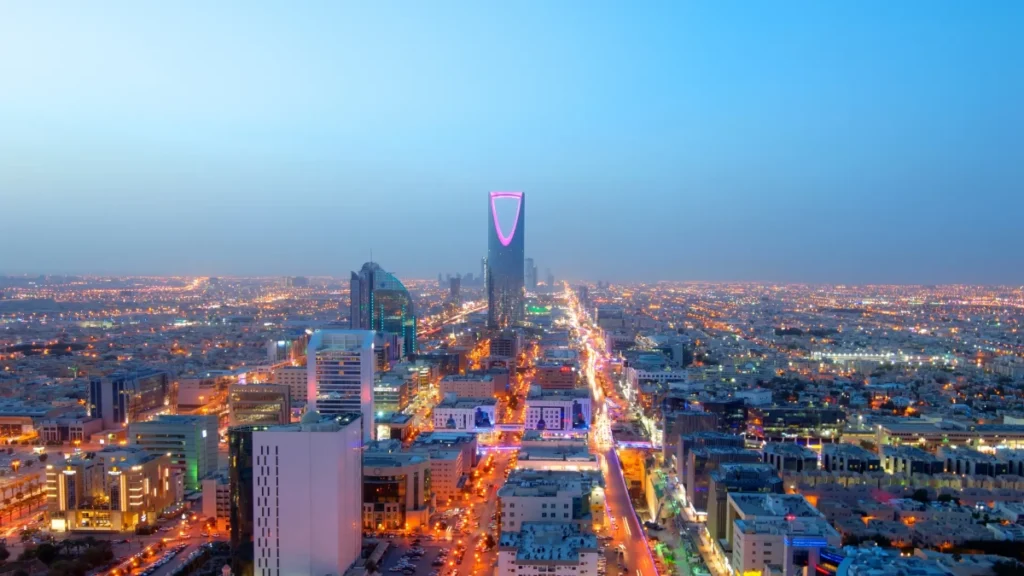
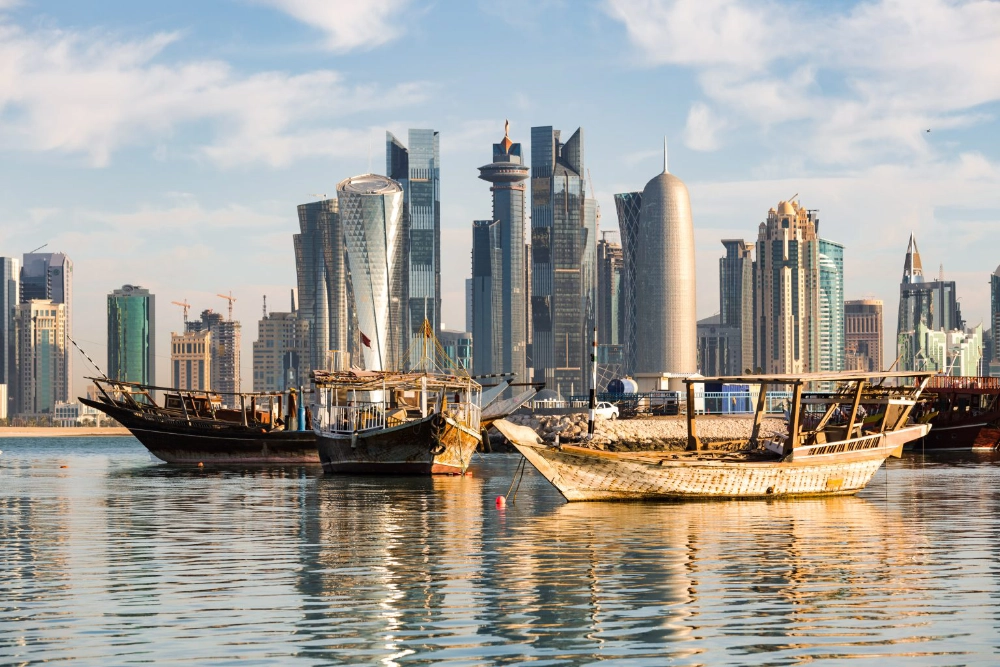
The region’s rise as a preferred destination for corporate gatherings is supported by world-class event infrastructure, strong regional connectivity and a packed calendar of international exhibitions and forums. Cities such as Dubai and Riyadh are increasingly selected as neutral, well-connected hubs for multinational teams.
Looking ahead to 2026, musafir.com expects several trends to continue shaping corporate travel in the region. These include sustained growth in MICE and industry events, increased inter-GCC mobility, and a stronger focus on high-impact collaboration over travel frequency.
Technology is also playing a larger role, with AI-enabled platforms supporting smarter planning, personalised itineraries and the integration of leisure travel as a talent incentive. At the same time, companies are consolidating travel into fewer, better-planned trips to strike a balance between cost efficiency and sustainability goals.
As MENA enters its next phase of growth, business travel is being defined less by distance and more by value created, positioning the region firmly at the centre of global corporate engagement.