Indian destination weddings are entering a more considered phase of growth. While established favourites such as Thailand and Italy continue to attract couples, planners say emerging destinations, evolving guest experiences and changing planning dynamics are redefining how international weddings are designed for 2026 and beyond.
Industry experts note that couples are no longer choosing destinations based solely on prestige. Instead, practical logistics, experiential value and the ability to host complex multi-day celebrations are increasingly shaping decisions.
On Destination Choices & Demand Shifts
Emerging destinations across the Middle East and Europe are seeing growing demand as Indian wedding planners build their enquiry pipelines for the coming years.
According to Aarti Manocha, Founder and Managing Director of Milestones to Memories, destinations such as Doha, Abu Dhabi, Oman and Azerbaijan are gaining traction among Indian couples planning overseas weddings.

“Seamless connectivity and visa simplicity are two of the most important factors. Direct flights from major Indian cities and quick visa processes make it much easier to manage large guest lists.”Aarti Manocha
Founder & Managing Director
Milestones to Memories
Accommodation capacity is another key consideration. Manocha notes that couples increasingly prioritise resorts capable of full buyouts with 250–400 rooms, enabling privacy and flexibility for multi-day events. Destinations such as Abu Dhabi and Doha stand out because they combine scalable venues with competitive luxury pricing compared to more established wedding hubs.
For Minnat Lalpuria, Founder and Managing Director of 7Vachan, Doha has emerged as one of the strongest-performing destinations in recent years.

“It offers excellent value for money, travel convenience and the comfort of familiar food options without complicated catering logistics. The availability of multiple venues within a single property also makes it easier to execute large Indian weddings.”
Minnat Lalpuria
Founder & Managing Director
7Vachan
Looking ahead, Lalpuria expects Oman to see strong growth as new hotels open and infrastructure expands. Other destinations attracting attention include Georgia, Bali, Montenegro and North Cyprus.
Meanwhile, Kunal Laungani, Founder of Chapter 2 Events, points to renewed interest in Mediterranean destinations such as Greece, Spain, Italy and Cyprus, alongside emerging markets including Sri Lanka and the Philippines.
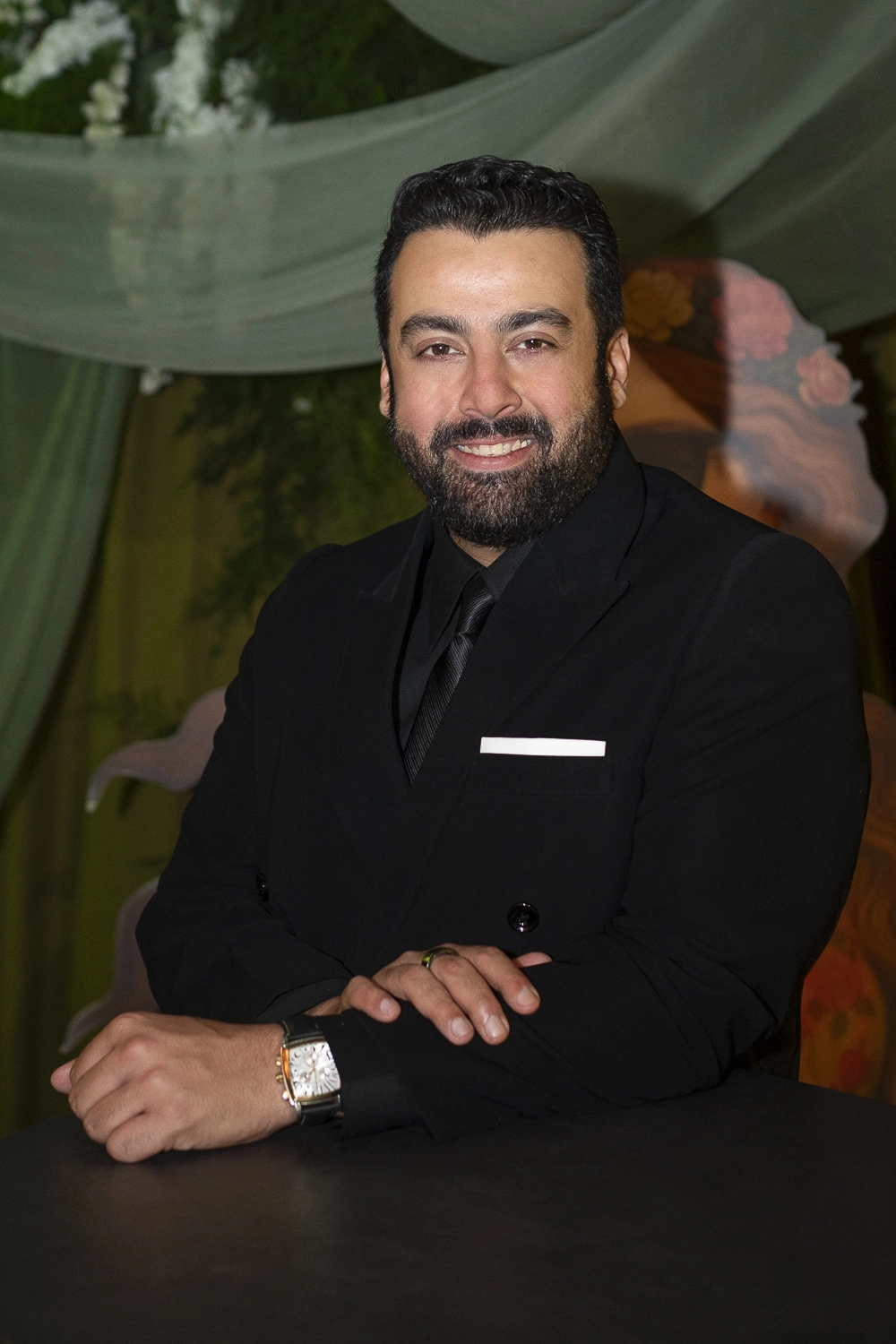
“What’s driving the shift is experiential differentiation. Couples are choosing destinations that feel culturally layered and visually distinctive while still being capable of hosting complex multi-day celebrations.”
Kunal Laungani
Founder
Chapter 2 Events
On Evolving Wedding Programmes & Guest Experience
Beyond destination choice, the structure of Indian destination weddings is also evolving as couples prioritise more immersive guest experiences. Manocha notes that programmes increasingly incorporate wellness, cultural immersion and interactive activities alongside traditional ceremonies.
“We’re curating programmes that include experiences such as sunrise yoga sessions, spa retreats and destination-inspired storytelling through local art and cuisine,” she explains. “The wedding becomes a holistic journey rather than a sequence of events.”
Planners are also building more relaxed schedules that allow guests to enjoy the destination itself.
Lalpuria observes that thematic storytelling is becoming central to wedding design. “We encourage couples to adopt an overarching theme that reflects their personality or the destination,” he says. Personalised gifting, curated guest experiences and larger-scale decor concepts are becoming more common, with many families comfortable hosting three-day celebrations instead of the earlier two-day formats.
For Laungani, the most significant change lies in how wedding programmes are structured. “Clients are moving away from simply transporting a traditional wedding format overseas,” he explains. “Instead, they are designing multi-day experiences where the destination itself shapes the story of the celebration.”
These celebrations may unfold across multiple venues or even different destinations, creating a richer narrative for guests.
On Planning Behaviour & Decision-Making
At the same time, planners say the planning dynamics of international Indian weddings are becoming more structured and strategic.
Manocha notes that lead times for overseas weddings typically range from 12 to 18 months, allowing couples to secure venues while managing rising costs. Budgets for international weddings commonly range between ₹1.2 crore and ₹3 crore, with a growing share allocated to guest experiences rather than sheer scale.
Guest lists are also becoming more intentional, often ranging between 150 and 250 attendees. However, Lalpuria says larger weddings remain common depending on family expectations, with guest counts sometimes reaching 500–600.
“Families typically compare several domestic and international destinations before making a decision,” he says. “In some cases, weddings in Rajasthan can actually cost more than hosting them abroad,” Laungani adds that while families remain central to decision-making, couples today play a more active role in shaping the creative direction.
“Couples are more globally exposed and design-aware,” he says. “Destinations and hotel partners must therefore be flexible, culturally intelligent and operationally seamless.”
As Indian destination weddings continue to expand globally, planners say the destinations that succeed will be those able to combine strong infrastructure with adaptability, collaboration and the ability to support increasingly sophisticated celebrations.