IHG Hotels & Resorts has announced plans to introduce all six of its Luxury & Lifestyle brands to Saudi Arabia by 2028, further strengthening its presence in one of the company’s most strategically important growth markets and supporting the Kingdom’s Vision 2030 tourism ambitions.
The hospitality group currently operates 48 hotels across Saudi Arabia, with a further 62 properties in the pipeline. The expansion comes as the Kingdom continues to develop its tourism sector and work towards attracting 150 million visitors annually by 2030.
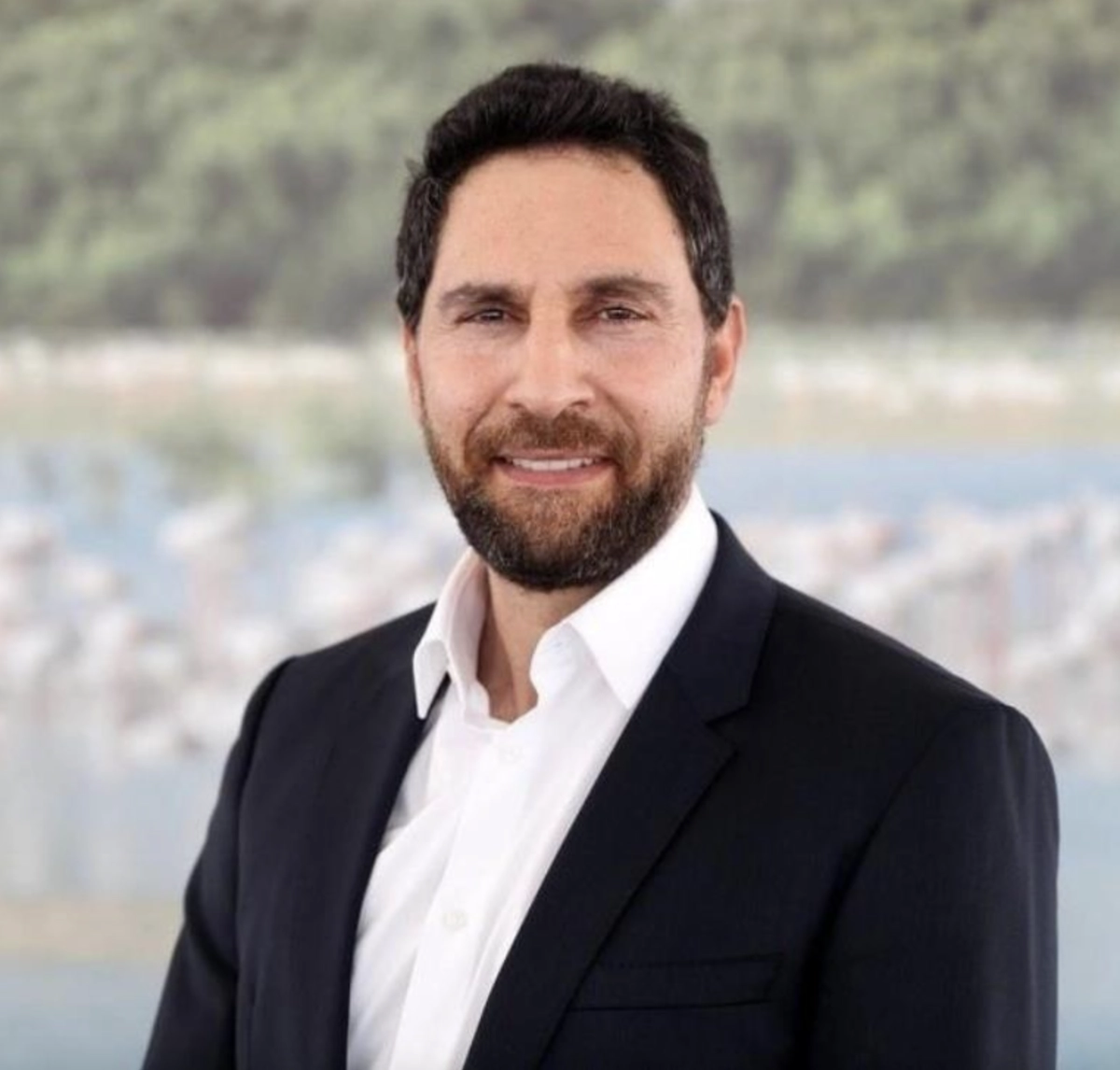
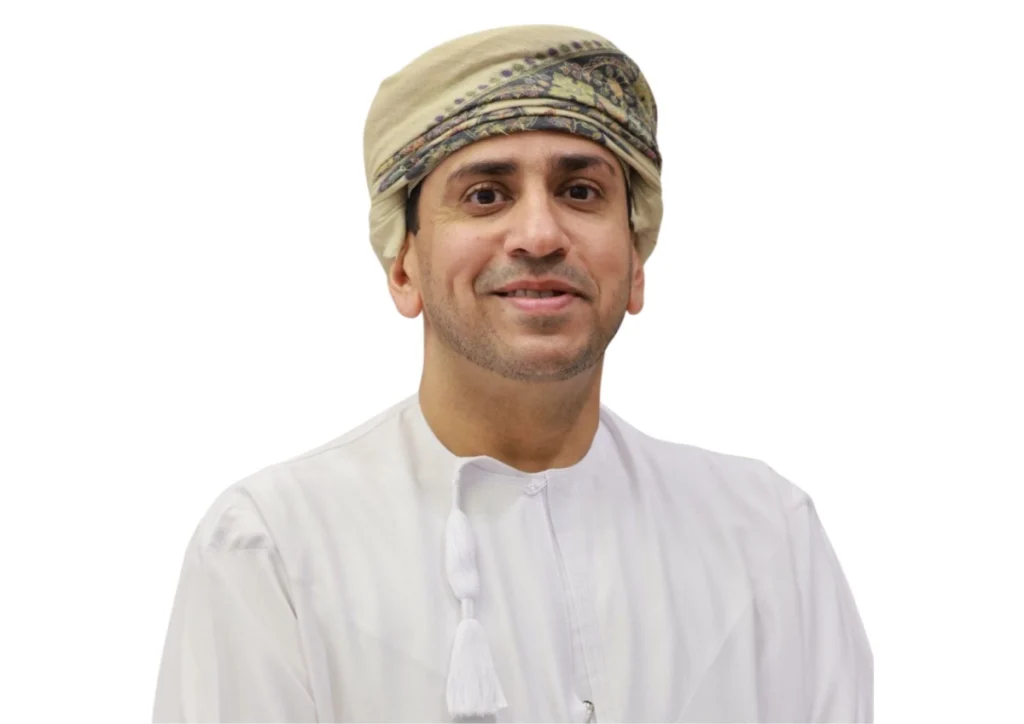
“Saudi Arabia is one of the world’s most exciting hospitality markets and one of the most strategically important for IHG. We are not simply growing our footprint; we are helping shape the future of hospitality in the Kingdom. As traveller expectations evolve, there is increasing demand for distinctive luxury experiences with authentic local character.”
Haitham Mattar
Managing Director – Middle East, Africa & Southwest Asia
IHG Hotels & Resorts
Luxury & Lifestyle has emerged as a key driver of IHG’s growth strategy in Saudi Arabia, with the company aiming to expand its portfolio through brands including InterContinental Hotels & Resorts, Six Senses, Regent, Hotel Indigo and Vignette Collection.
Recent milestones include the opening of Kimpton KAFD Riyadh, which marked the debut of the Kimpton brand in the Middle East. IHG is also advancing several high-profile projects across the Kingdom. Six Senses Southern Dunes, The Red Sea opened in December 2023, while Six Senses Amaala is expected to open in 2026 and Six Senses AlUla is scheduled for 2027. The company is also preparing to launch Regent Jeddah Corniche in 2027, marking both the brand’s debut in Saudi Arabia and the first Regent property in the region. Meanwhile, Hotel Indigo & Residences Al Khobar is slated to open in 2028, introducing the Hotel Indigo brand to the Kingdom.
According to IHG, these developments reflect a deliberate strategy to introduce globally recognised luxury and lifestyle brands in destinations where rising demand, cultural relevance and long-term tourism development are converging.