As the events industry continues to evolve, food is no longer viewed simply as a catering requirement, it has become a defining element of the guest experience. From personalized menus and interactive dining concepts to immersive storytelling and sustainable sourcing, culinary experiences are playing an increasingly important role in shaping memorable meetings, weddings, and celebrations.
Industry leaders say guests today expect far more than exceptional cuisine. They are seeking meaningful, engaging experiences that reflect the purpose of the event while creating lasting memories.
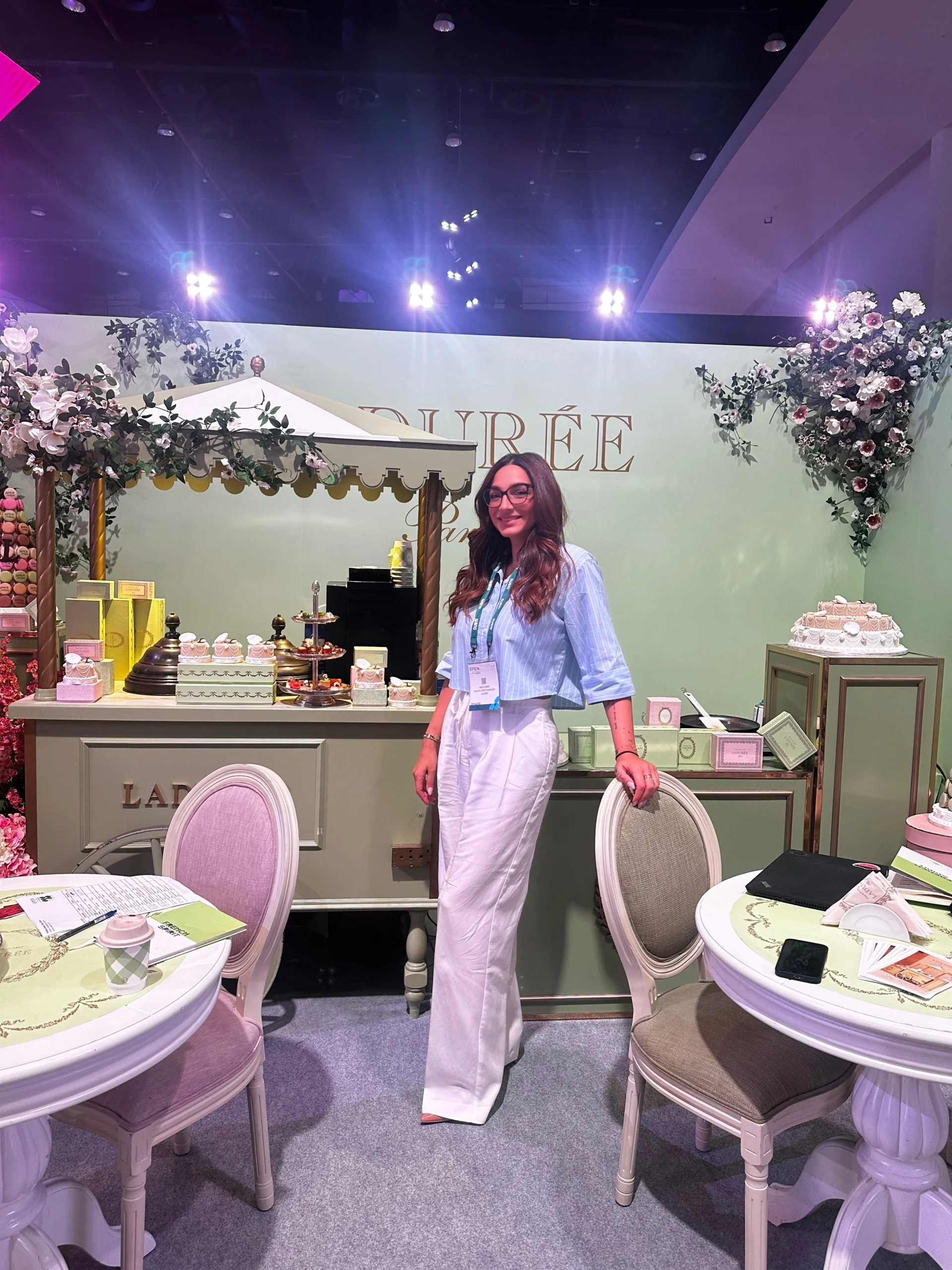
“Guest expectations have shifted beyond simply enjoying good food. Today, guests are looking for memorable and immersive experiences that combine exceptional taste, visual appeal, personalization, and convenience. Clients increasingly seek tailored menus that reflect their own identity or brand identity or the purpose of their event, while attending guests expect premium quality ingredients, elegant presentation, and interactive elements that create shareable moments both in person and on social media.”
Rana Daher
Regional Sales & Events Manager
Ladurée Arabia
According to Daher, personalization, sustainability, and experiential dining will continue to shape event catering in 2026.
“Personalization remains a key driver, with customized desserts, branded products, and tailored menus becoming increasingly popular,” she explains. “Interactive food stations continue to gain traction, allowing guests to engage directly with the culinary experience. Sustainability is also a major focus, with clients showing greater interest in responsible sourcing, waste reduction, and thoughtful packaging.”
Luxury catering specialist 971 Hospitality has witnessed a similar shift, with menus increasingly becoming an extension of each client’s story.
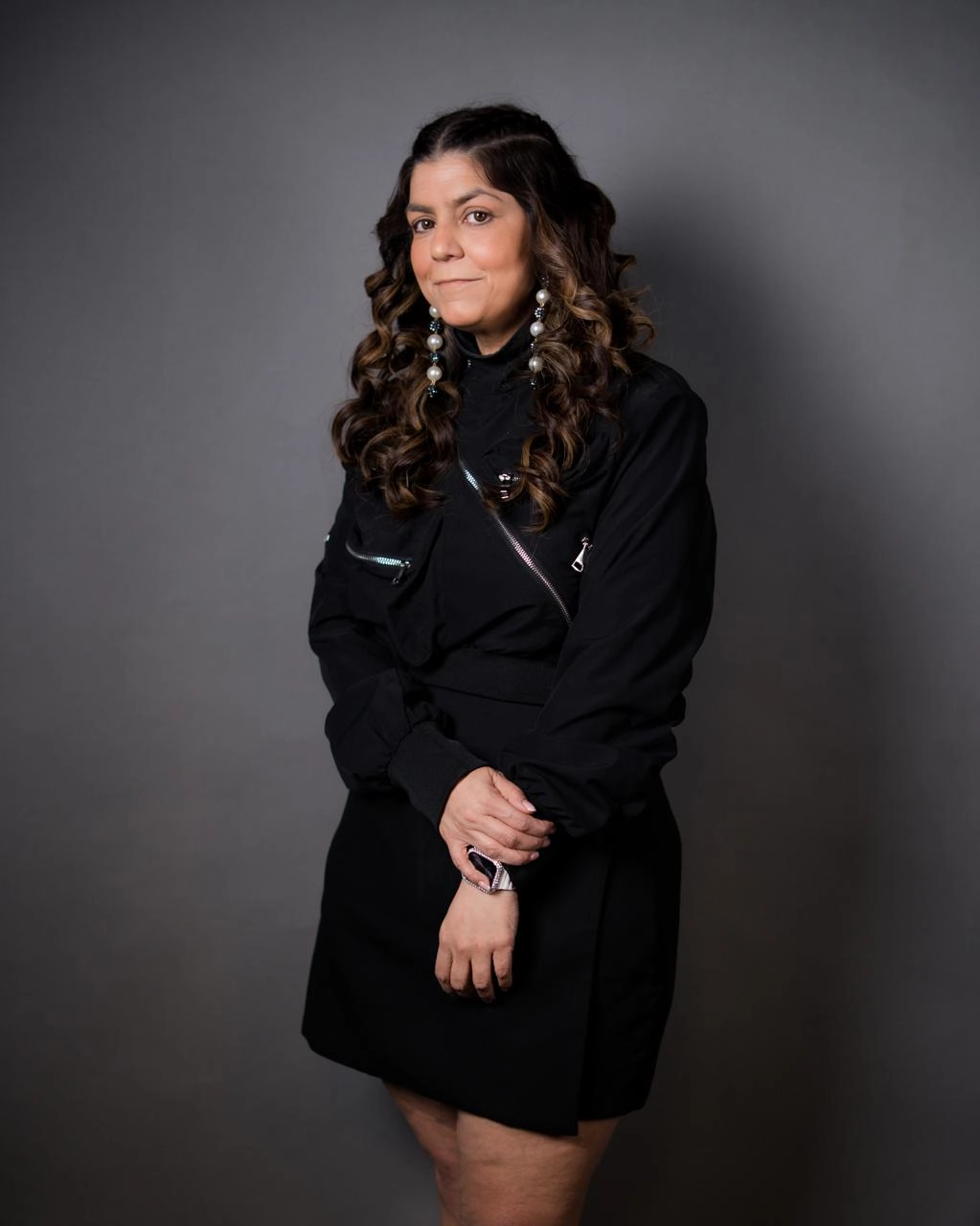
“Food is no longer viewed as just one element of an event—it has become one of the primary reasons guests remember and talk about the experience. Today’s guests expect thoughtfully curated menus, interactive live stations, impeccable presentation, and dishes that tell a story. They seek authenticity, personalization, and memorable experiences rather than simply variety.”
Tamanna Moolchandani
Founder & CEO
971 Hospitality
Moolchandani notes that destination-inspired cuisine, regional flavours presented through a contemporary lens, premium comfort food, and health-conscious menus are all influencing event catering in the coming year.
“We’re also seeing clients become more adventurous, embracing global flavours while remaining deeply connected to their culinary roots,” she adds.
Storytelling, she believes, has become central to menu development.“Every menu we design begins with understanding the client’s story—their heritage, travel experiences, family traditions, or the journey they’re celebrating. The food then becomes an extension of that narrative,” she says. “When guests leave talking about a particular dish or a memorable culinary moment, we’ve achieved something far greater than simply serving food—we’ve created an experience.”
The shift towards more social and interactive dining formats is also influencing event design. According to Diana Porim, Events & Sales Director, AlphaMind, traditional banquet service is increasingly being complemented—or even replaced—by canapé-style experiences that encourage networking and conversation.
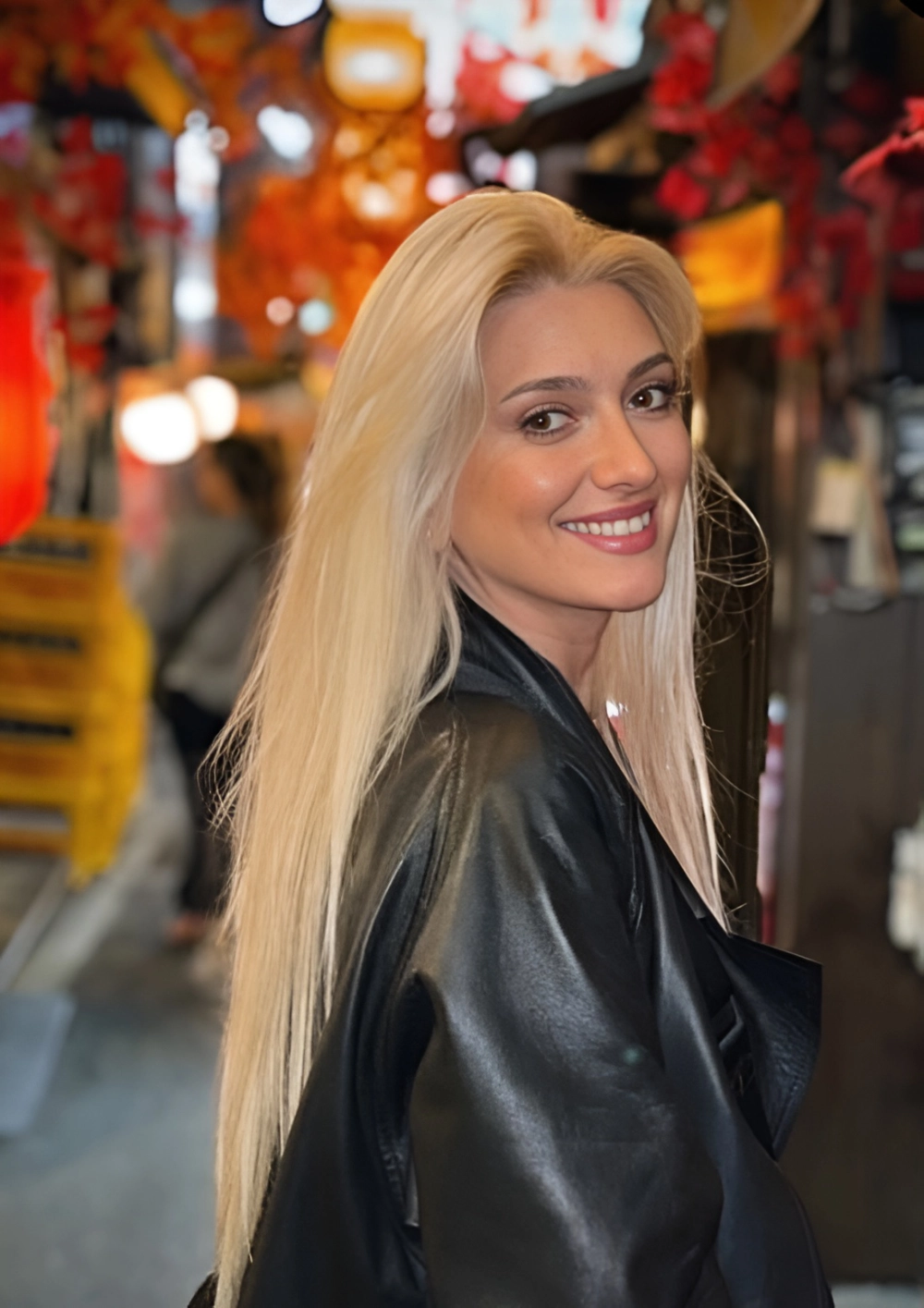
“Guest expectations have evolved significantly. Today, food plays a central role in the overall event experience rather than simply being part of it. The culinary direction and menu tasting are often the very first elements discussed and agreed upon during the planning process, as they set the tone for everything that follows.”
Diana Porim
Event & Sales Director
AlphaMind
She notes that standing receptions featuring elevated canapés and interactive food concepts are becoming increasingly popular.
“We’re seeing a clear shift towards canapé-style experiences and social dining,” she explains. “Interactive, beautifully presented small bites and substantial canapés allow guests to mingle, network, and move freely throughout the event. While traditional seated dinners still have their place, there is a growing preference for formats that encourage conversation, collaboration, and the enjoyment of great food alongside carefully selected wines and cocktails.”
Porim also believes storytelling now extends beyond the menu to every touchpoint of the event.
“We don’t simply sell food and beverages—we create an experience with a story behind it,” she says. “Guests connect with the inspiration behind the culinary concept, the craftsmanship of the cocktails and mixology, the design of the venue, and the vision that brings it all together.”
AlphaMind recently expanded its hospitality portfolio with the launch of Sutēki, a new Tokyo-inspired dining concept. Sutēki is designed around atmosphere, music, hospitality, and immersive guest experiences, reflecting the growing demand for experiential dining concepts that extend well beyond the plate.
Across the industry, one theme is becoming increasingly clear: successful event catering is no longer defined solely by the quality of the food, but by its ability to create meaningful experiences. As planners continue to seek innovative ways to engage attendees, culinary storytelling, immersive dining, and personalized hospitality are expected to remain at the forefront of event design throughout 2026.