India’s outbound MICE sector is entering a new phase of growth — one shaped less by sheer scale and more by agility, experience design and smarter destination choices. As corporate travel budgets stabilize and incentive travel regains momentum, industry leaders say Indian companies are seeking a blend of short-haul accessibility, fresh experiences and predictable logistics.
Insights from Stimulus Hospitality Private Limited, BOI Experience and Traaexplore Private Limited reveal how destination preferences, programme design and planning timelines are evolving rapidly for 2026–2027.
Short-Haul Novelty Drives Destination Momentum
Industry leaders agree that Indian outbound MICE is gravitating toward destinations that feel new without adding complexity.
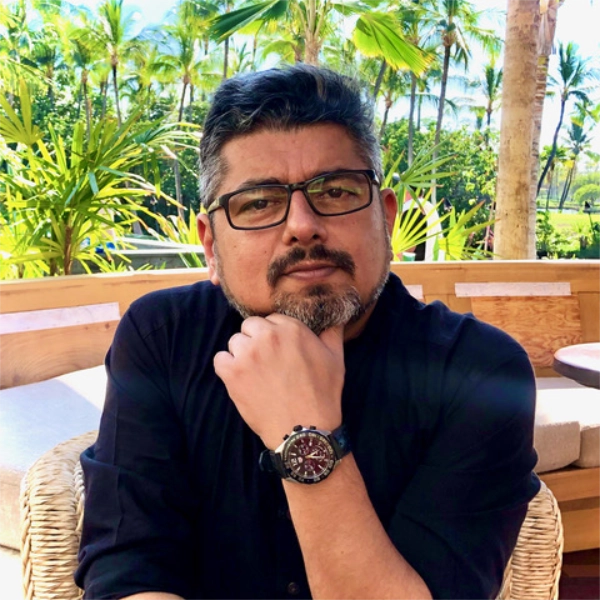
“The next growth in Indian outbound MICE will come from destinations that offer ‘newness within short-haul reach’ without adding operational complexity.”Mukesh Makhijani
Director
Stimulus Hospitality Private Limited
He notes rising interest in Oman, Bahrain, Qatar, Vietnam and the Philippines — supported by visa ease, improved connectivity and active tourism board engagement.
The traditional favourites continue to hold their ground. “Dubai, Thailand and Singapore continue to grow strongly due to their connectivity, execution confidence and evolving experiences they bring to the table every year,” he adds.

“Across Southeast Asia and the Middle East, proximity and cost-effectiveness remain major drivers. Short-haul flights, easier visas and robust corporate infrastructure make destinations like Thailand, Vietnam and Bali consistent top picks for MICE and incentive travel.”
Rahi. S
Founder
BOI EXP
Beyond Asia, Europe remains aspirational for high-performer incentives. “Europe delivers true bucket-list experiences that elevate traveller status and strengthen brand perception,” Shaikh says, pointing to growing interest in destinations beyond classic hubs.
Rajat Saran, Founder of Traaexplore Private Limited, highlights emerging alternatives to traditional Europe.

“Destinations like Almaty and Georgia are gaining traction because they offer European-style experiences at a more accessible price point.”Rajat Saran
Founder
Traaexplore Private Limited
Experience-First Itineraries Become Non-Negotiable
Across agencies, there is consensus that experiential elements are now the deciding factor in destination selection.
“Experiences are no longer an add-on — they are the primary reason the destination is chosen,” says Makhijani. “Indian corporates are prioritising iconic venues, immersive experiences and high-quality gala environments that create a genuine sense of reward.”
Adventure-led engagement is also rising. Shaikh notes that helicopter tours, safaris and curated cultural experiences are increasingly expected. “One-of-a-kind experiences create unforgettable moments with strong recall and bragging value for winners.”
Saran adds that flexibility and authenticity are equally important. “Clients want at least one ‘wow’ activity beyond sightseeing, local food experiences and some free time. Too-packed itineraries are out.”
Another non-negotiable remains food comfort. Shaikh highlights the demand for Indian cuisine access and kitchen flexibility, reflecting the importance of dietary familiarity in corporate travel planning.
Planning Dynamics Shift Toward Agility and Value
The way Indian corporations plan outbound MICE is changing quickly.
Visa ease, connectivity and destination support now dominate decision-making. “Corporates are prioritising predictability given shorter lead times,” says Makhijani. “Clients are moving from budget-based to value-based destinations that offer greater ROI.”
Shaikh notes that larger programmes are now planned earlier — typically 5–7 months in advance — to secure air blocks, visas and experience-led logistics. At the same time, smaller groups are being confirmed faster.
Saran observes that destination approval now hinges on four non-negotiables: visa simplicity, food comfort, shopping value and connectivity. “If a destination fails even one of these, it rarely gets green-lit,” he says.
Group structuring is also evolving. Companies are splitting large delegations into multiple experience tracks — leadership, achievers, families — signalling a shift toward personalised engagement.
A More Confident, Experience-Driven Traveller
Indian outbound MICE travellers are more confident and globally exposed than ever before. Repeat travellers expect novelty, while new participants want iconic, social-media-worthy moments.
As Makhijani puts it, “Both established hubs and emerging destinations will grow together, with newer markets steadily gaining share.”
For planners and destinations alike, the message is clear: operational ease and immersive storytelling must coexist.
Outlook: Growth with Smarter Strategy
With stronger outbound demand forecast through 2027, the industry is moving toward a model that blends efficiency with impact.
For destinations competing for Indian corporate business, the formula is becoming clear — seamless visas, strong connectivity, cultural adaptability and unforgettable experiences.
The Indian outbound MICE traveller, once driven by budget and familiarity, is now driven by aspiration and storytelling — signalling a more mature, experience-first era for the sector.