As international MICE and destination events grow more ambitious in scale and cross-border complexity, the role of the Destination Management Company (DMC) is undergoing a significant shift. No longer confined to logistics and ground handling, leading DMCs are increasingly operating as strategic partners — aligning brand vision, stakeholder objectives and local execution from the outset.
For destinations seeking sustained inbound growth, this evolution is critical. The strength of a destination’s incoming MICE and events business often depends on the calibre of its DMC ecosystem — particularly those capable of translating global brand intent into culturally nuanced, commercially sound on-ground delivery.
To understand how collaborative planning is reshaping the DMC–organiser dynamic, Experiential Planner spoke with two companies operating at the forefront of this shift: 2xceed, a Dubai-based DMC known for its strategic work with European and American markets, and Gulf Dunes, an established destination management and event services company with a strong footprint across international association and corporate segments.
Collaboration Begins with Understanding Strategic Intent
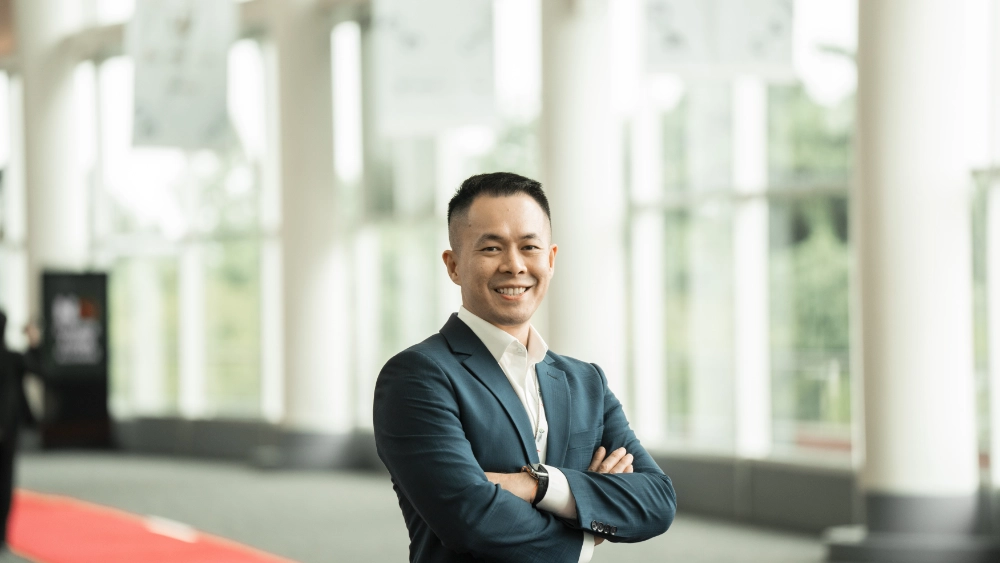
At 2xceed, collaboration starts well before logistics are defined. Commercial Director Jan Rienermann emphasises that effective partnerships are rooted in interpreting the organiser’s broader business objectives.

“Long-term relationships are built when clients genuinely see themselves reflected in the experiences we deliver,” said Kasper. “Our most successful partnerships are those where organisers feel that we’ve truly understood the why, how, who, and where behind their brief — not just operationally, but strategically.”
Jan Rienermann, Commercial Director, 2xceed Destination Management
For Jan, experience design must serve brand messaging and commercial outcomes — not just programme execution. When that alignment is clear, trust follows.
“That joint excitement and trust in our ability to translate intent into impact is what sustains relationships over time.”
At Gulf Dunes, where complex multi-market events are a core strength, collaboration is equally anchored in consistency and foresight. As General Manager Sumaira Isaacs explains, trust is built through reliable performance under pressure.
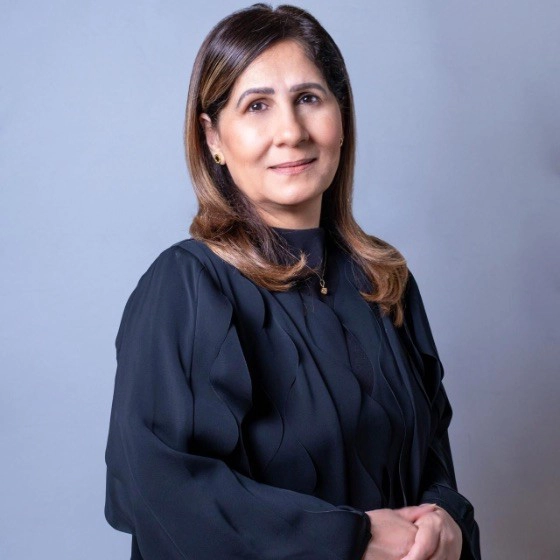
“For us, building and maintaining long-term relationships follows a straightforward rule: consistency. When clients experience consistency, foresight, and genuine care in delivery — especially under complex, high-pressure conditions — they remember it.”
Sumaira Isaacs, General Manager, Gulf Dunes
That reliability, she notes, often becomes the foundation for repeat business across destinations and formats.
Market Specialisation as a Competitive Advantage
Strategic collaboration is also shaped by market understanding.
2xceed has adopted a deliberately selective approach, focusing primarily on Europe and the Americas — a decision Kasper believes strengthens delivery depth.
“This specialisation goes beyond geography; it sits at the level of people, mindset, and cultural fluency,” he explained. “Our teams understand the language, reference points, and expectations of the markets we serve.”
That selectivity, including knowing when to decline opportunities outside its core expertise, protects both brand positioning and client outcomes.
Gulf Dunes, by contrast, reflects the diverse inbound mix of the GCC. Isaacs highlights strong engagement across the USA, Europe, Latin America, Africa, India, wider Asia and Australia.
“This breadth keeps us constantly exposed to different event cultures, expectations, and delivery models,” she said. “It allows us to anticipate emerging needs and adapt solutions accordingly.”
In both cases, market familiarity is not just a sales advantage — it is a collaborative asset that strengthens trust with international organisers.
Scaling Collaboration Beyond a Single Project
As partnerships mature, collaboration often expands beyond individual programmes.
Jan notes that many of 2xceed’s engagements evolve into longer-term strategic relationships.
“Once clients feel that we’ve fully understood their brand DNA and messaging, they often invite us to support them beyond the original destination or brief,” he said. “This can include consulting, project management, and ensuring consistent brand standards across multiple locations.”
At Gulf Dunes, scaling collaboration frequently involves institutional partnerships. Isaacs points to the company’s alliance with K.I.T. Group as an example of structured growth through expertise-sharing.
“If you want to go far, you go together,” she said. The partnership has enabled Gulf Dunes to combine strong local delivery with global association expertise — expanding capabilities without compromising quality.
The Strategic Value of DMCs in Destination Growth
As inbound MICE and destination events continue to expand across borders, cultures and business objectives, the DMC’s role is becoming increasingly strategic.
For destinations aspiring to strengthen their international positioning, the quality of collaborative planning between organisers and DMCs may well determine long-term competitiveness. Those DMCs capable of aligning brand vision, cultural fluency and operational excellence are no longer just suppliers — they are embedded partners in a destination’s growth story.