Bahrain did not become a destination wedding success story by accident.
Over the past decade, the Kingdom has quietly built one of the Middle East’s most emotionally intelligent, operationally flexible, and government-supported wedding ecosystems. What’s interesting—and increasingly relevant—is that many of the same strengths that made Bahrain successful in weddings are precisely what its MICE industry now needs to scale.
Experiential Planner’s Vision Bahrain consultations revealed a recurring sentiment across hotels: weddings worked because the destination committed to understanding the business deeply. M.I.C.E., by contrast, is still catching up to that level of alignment.
Weddings as a System, Not a Segment
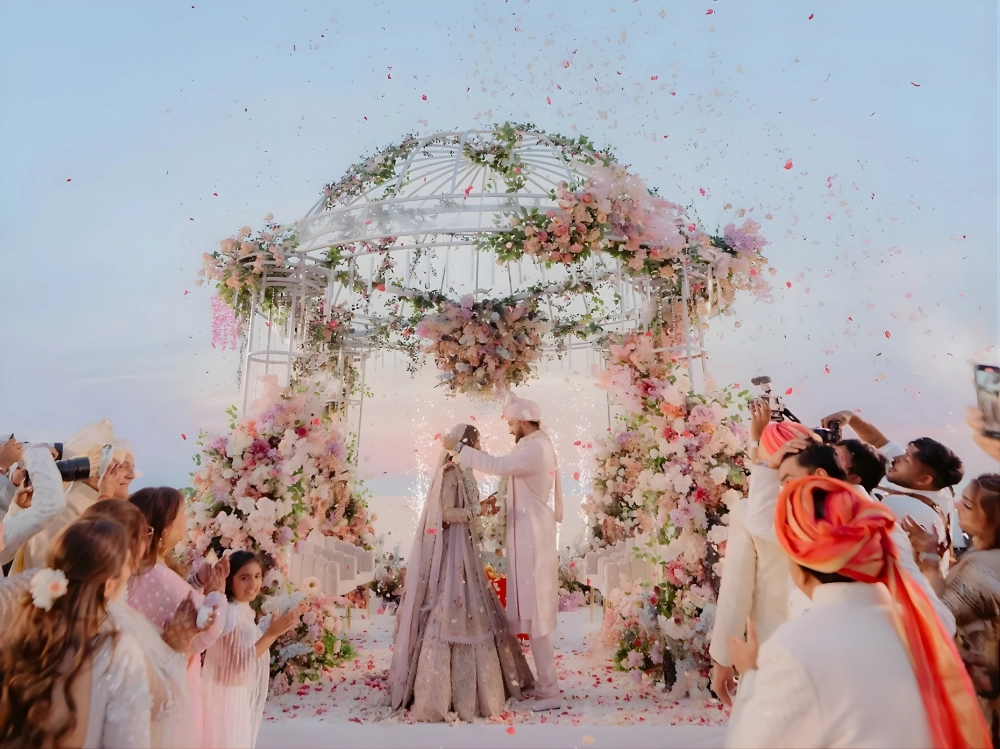
One of the most striking insights from hotels like Sofitel Bahrain, InterContinental Bahrain, and Jumeirah Gulf of Bahrain was how consistently weddings are treated as a system—not just an event type.
From visa facilitation and airport arrivals to cultural sensitivity and multi-day programming, Bahrain learned early that weddings are not transactional. They are emotional, high-stakes, and reputation-defining.
As one hotelier noted, families are recognised from the moment they land—sometimes even before. Government representatives attend functions, hotels adjust operations to avoid back-to-back weddings, and suppliers understand that each family carries cultural nuance, whether Punjabi, Jain, Sindhi, or British Indian.
That level of orchestration didn’t happen overnight. It happened because the destination decided weddings mattered.
Operational Flexibility: The Real Competitive Edge
Across multiple interviews, flexibility emerged as Bahrain’s quiet superpower.
At Sofitel Bahrain, weddings are handled with a level of commercial and operational adaptability rarely seen elsewhere—competitive pricing, customised commissions for B2B partners, and even senior team members travelling to India to meet families instead of insisting on site visits.
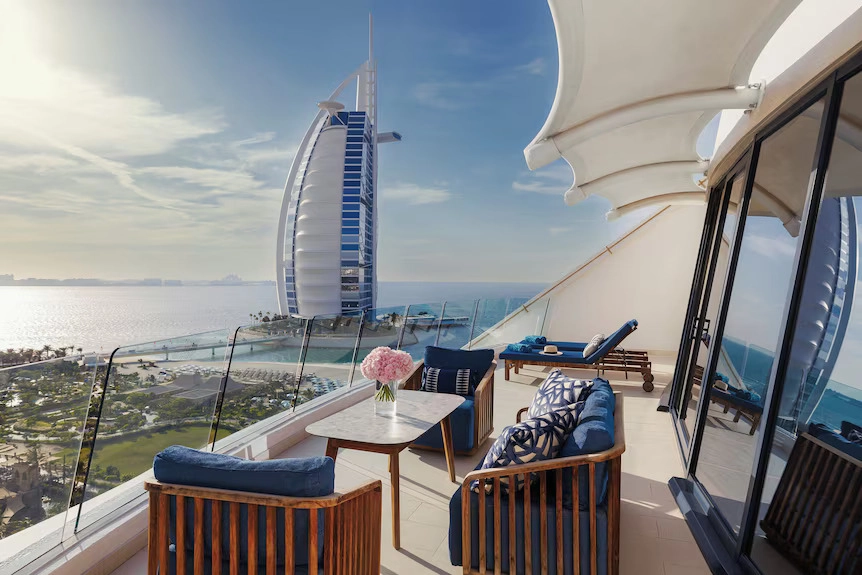
AtJumeirah Gulf of Bahrain, personalization extends down to individual guest habits—even within large groups—creating emotional recall long after the event.
At Conrad Bahrain, spaces never designed as venues—like penthouse suites—are transformed into bespoke event settings, supported by teams willing to experiment and adapt.
This is exactly the muscle memory M.I.C.E. destinations strive for: fast decisions, human-led service, and a willingness to bend without breaking standards.
Why This Matters for M.I.C.E.
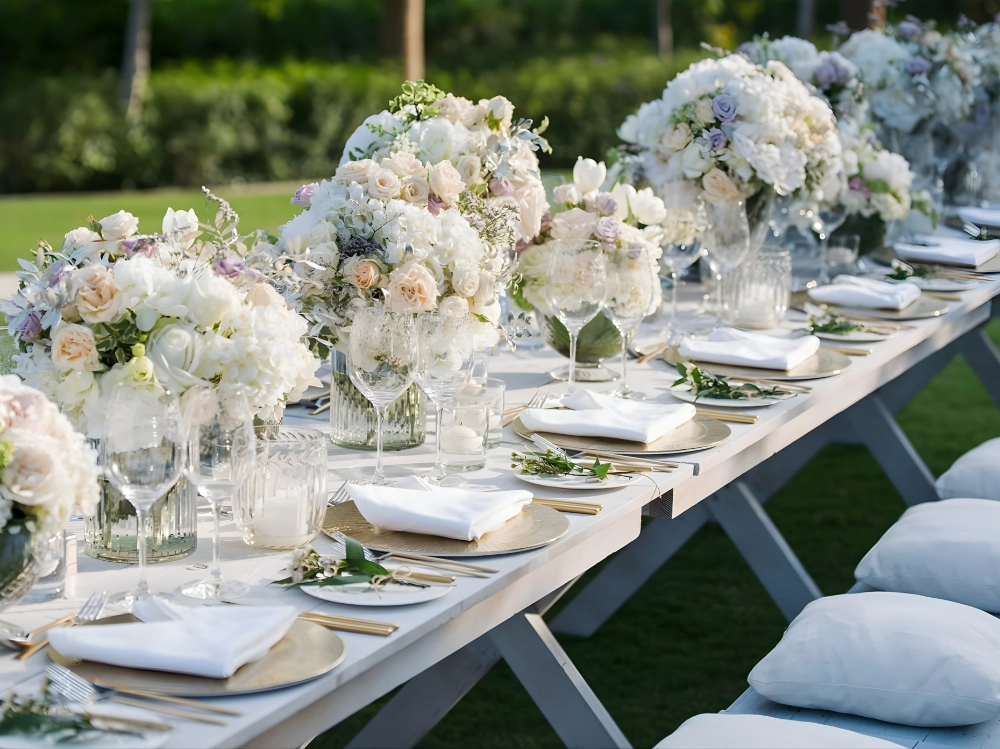
Several stakeholders said it outright: Indian weddings are M.I.C.E.
They require room blocks, multi-venue logistics, entertainment, security coordination, transportation, catering at scale, and flawless execution across several days. The difference is not complexity—it’s perception.
Hotels like Hawar Resort by Mantis and Mövenpick Bahrain pointed out that the same ease of doing business, visa access, and stakeholder cooperation that benefits weddings could—and should—be extended to corporate retreats, incentive groups, and association meetings.
What weddings benefited from was priority.
Government Involvement Sets the Tone
Perhaps the most powerful learning for M.I.C.E. lies in the role of government.
Multiple hotels referenced the visible involvement of BTEA and senior leadership in destination weddings—from fam trips to on-ground attendance. This created confidence, credibility, and reassurance for planners bringing in high-value business.
In contrast, several M.I.C.E. focused stakeholders observed that while support exists, it is often reactive rather than proactive. Weddings received roadshows, storytelling, and global promotion. M.I.C.E. has largely been left to hotels to sell individually.
The implication is clear: when the destination leads, the industry follows.
Emotional Intelligence Is Not Just for Weddings
One of the most compelling stories shared during the Vision Bahrain research came from Four Seasons Bahrain Bay: a groom who went pearl diving ahead of his wedding, kept the pearl he found (legally unique to Bahrain), and had it turned into jewellery within 24 hours for his bride.
That story has nothing to do with ballrooms or menus.
It has everything to do with experience design.
The same emotional intelligence—storytelling, authenticity, local access—is exactly what modern M.I.C.E. planners are seeking, particularly for leadership retreats, incentive travel, and brand experiences.
What M.I.C.E. Can Borrow From Weddings
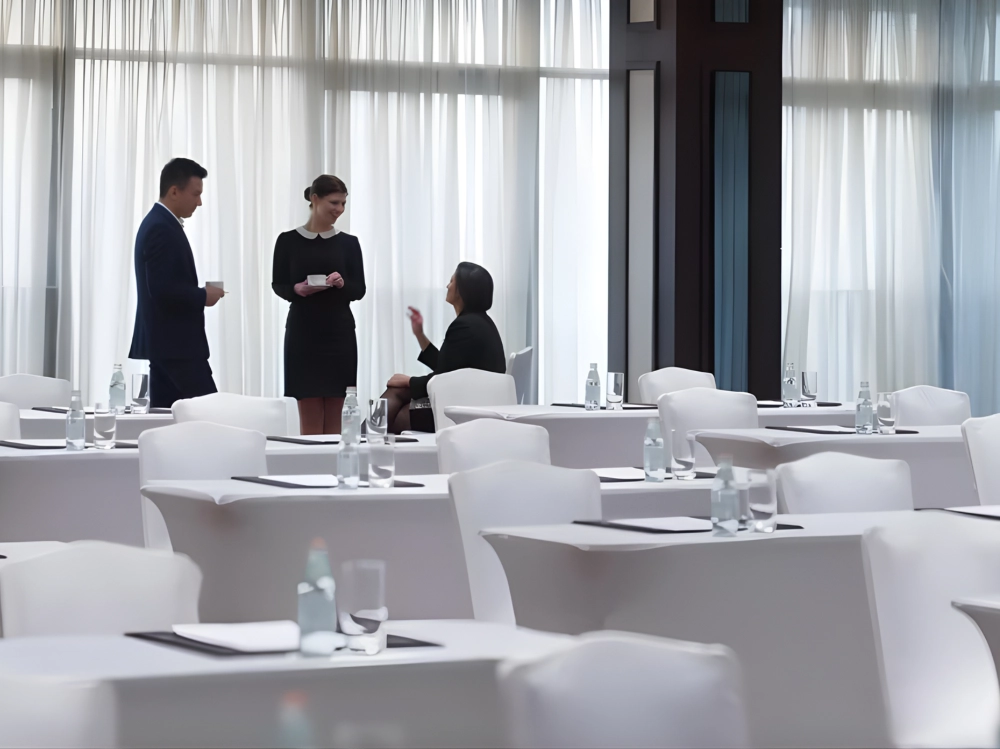
Bahrain’s wedding success offers a clear playbook for M.I.C.E:
- Prioritise the segment at a destination level, not just property level
- Train suppliers and hotels together, not in silos
- Package experiences, don’t leave everything to custom requests
- Promote emotionally, not just functionally
- Lead from the top, visibly and consistently
Several stakeholders were candid: when weddings were given focus, awareness followed. When awareness followed, demand followed.
A Strong Foundation for the Next Chapter
Bahrain doesn’t need a new M.I.C.E. strategy.
It already tested one—with weddings.
The systems exist.
The people are trained.
The culture of flexibility is embedded.
What’s needed now is intent.
With BTEA fully focused on M.I.C.E. and committed to taking the measures required to support the sector’s growth, Bahrain is well-positioned to apply the same clarity, coordination, and storytelling that made it a destination wedding success.
As regional competition intensifies around scale, Bahrain’s opportunity continues to lie in depth, trust, and human connection.
Weddings demonstrated what is possible when the destination commits.
M.I.C.E. now has the opportunity to build on that momentum—confidently and collaboratively.