Bahrain does not suffer from a capability problem.
It suffers from a visibility one.
That was the clearest takeaway from Experiential Planner’s recent on-ground consultations with hotels, venues, and hospitality leaders across the Kingdom. From hosting UN-level conferences and international sporting federations to managing sensitive government movements and high-security stays, Bahrain is quietly delivering complex MICE business—often without telling its own story.
What emerged instead was a destination operating with confidence, flexibility, and depth, but without a unified narrative in international markets.
A Destination Already Delivering at Scale
Across multiple stakeholder conversations, one theme was consistent: Bahrain is already hosting serious business.
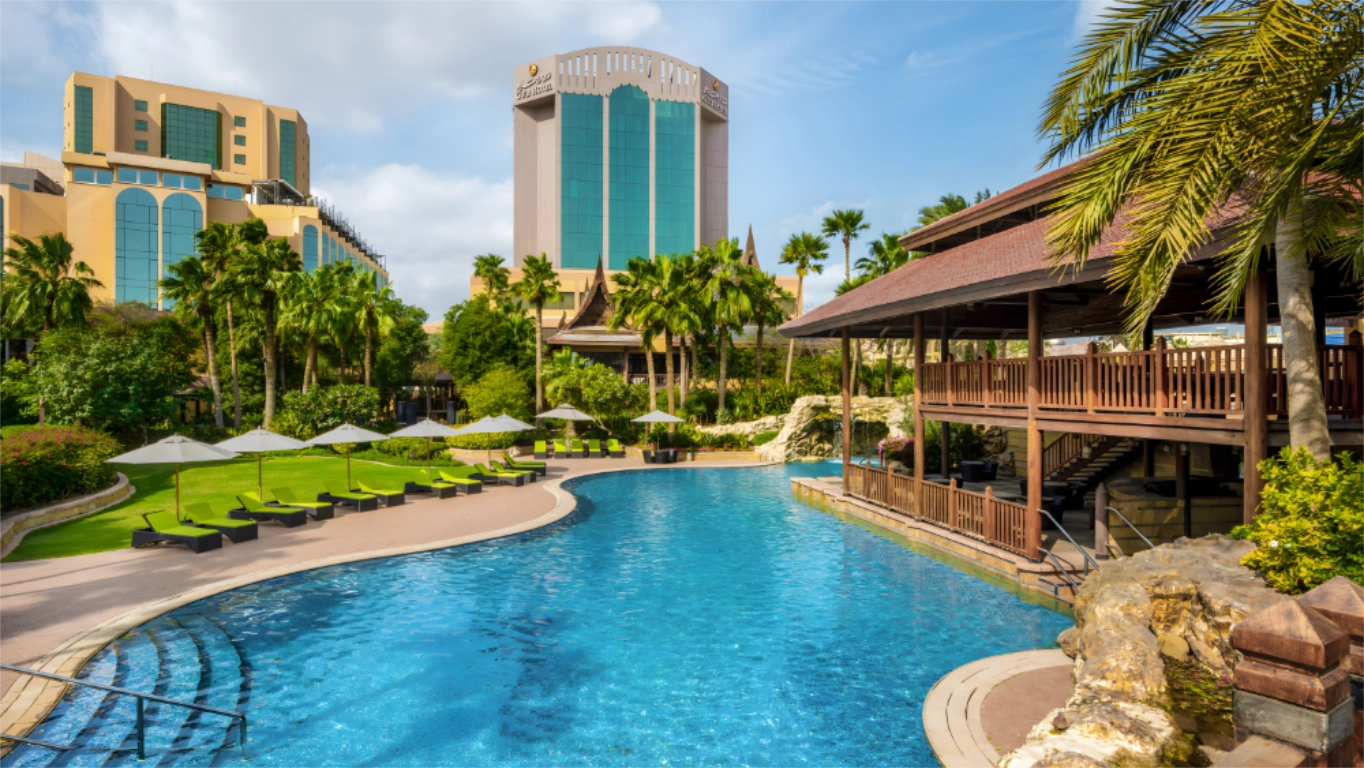
At one of Bahrain’s first five-star hotel and still one of its largest conference hubs, the team recently hosted:
- A UNIDO conference with delegates from 47 countries
- A 1,000-pax multi-property buyout during the Bahrain Asia Youth Games
These are not lifestyle events. They are operationally demanding, politically sensitive, and logistically complex—handled with minimal friction.
Similarly, The Diplomat Radisson Blu, where MICE accounts for nearly 60% of total business, recently hosted the Bahrain Fencing Congress with international federation leadership in attendance—underscoring Bahrain’s growing role in global sports governance events.
The takeaway: Bahrain is not aspiring to host international congresses. It already is.
Leadership Access Is a Competitive Advantage
One of Bahrain’s most under-communicated strengths is direct leadership involvement.
At Raffles Al Areen Palace, the hosting of TEDxDilmun 2025 stood out not only for its content, but for the presence of national leadership—including His Highness Sheikh Nasser bin Hamad Al Khalifa and Her Excellency Fatima Al Sairafi. For planners, this level of access signals more than prestige; it signals commitment.
This sentiment was echoed across properties, particularly when discussing government-backed facilitation—from visas and permits to site access and protocol support. Several stakeholders noted that while other destinations market scale, Bahrain delivers access.
Operational Flexibility: The Quiet Differentiator
Unlike larger, more rigid markets, Bahrain’s compact geography and interconnected hospitality ecosystem allow for an unusually high level of operational adaptability.
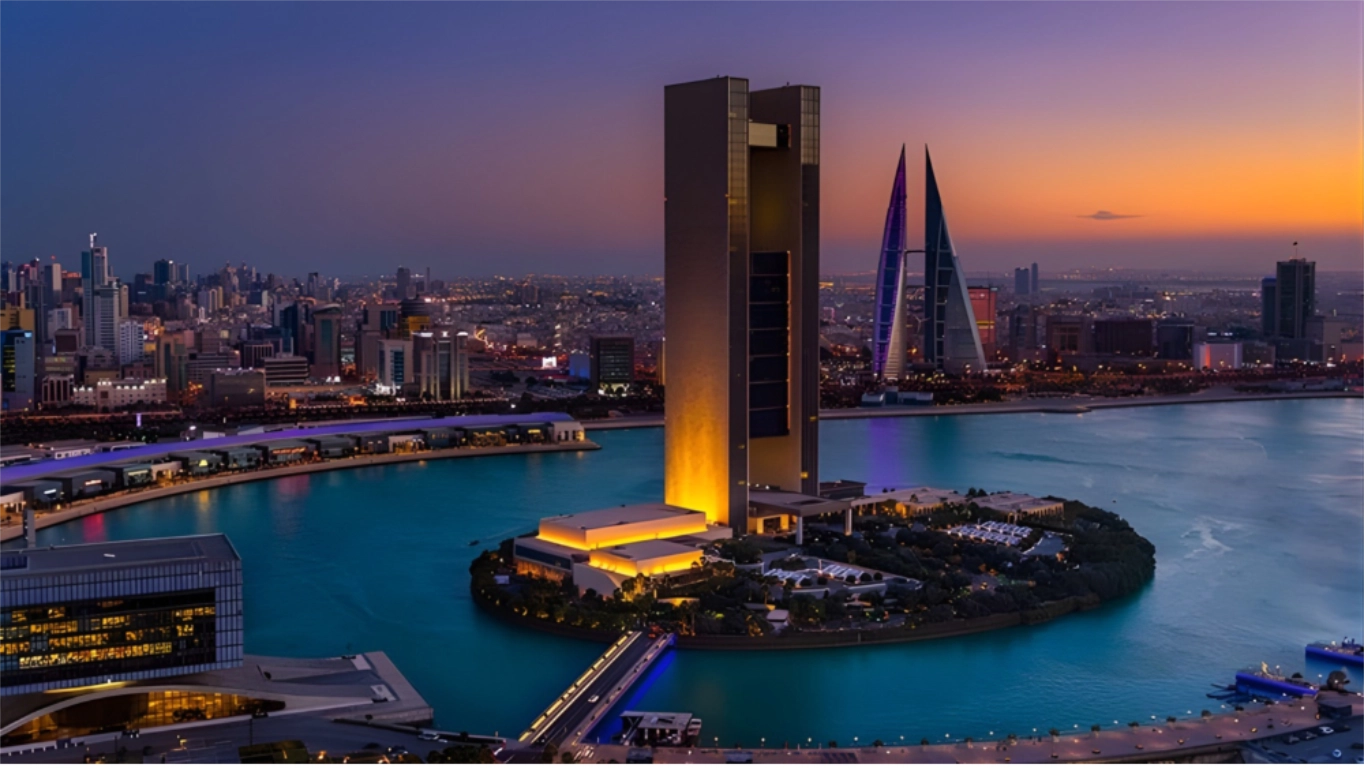
At Four Seasons Bahrain Bay, this manifests in hyper-personalisation—even within MICE groups. One example shared involved proactively correcting a room allocation for a CEO based on historical preferences, a gesture that resulted in direct appreciation to the General Manager.
At Conrad Bahrain, a 900 sq m penthouse was transformed into a diplomatic event venue for 100 US embassy guests—illustrating how non-traditional spaces are being repurposed creatively.
Meanwhile, InterContinental Bahrain highlighted the ease of executing large-scale outdoor catering for recurring Ironman events—year after year—without disruption.
Across conversations, the pattern was clear: Bahrain’s MICE strength lies not in mega infrastructure alone, but in human-led execution.
Cost, Access, and a Missed Narrative
Commercial competitiveness came up repeatedly.
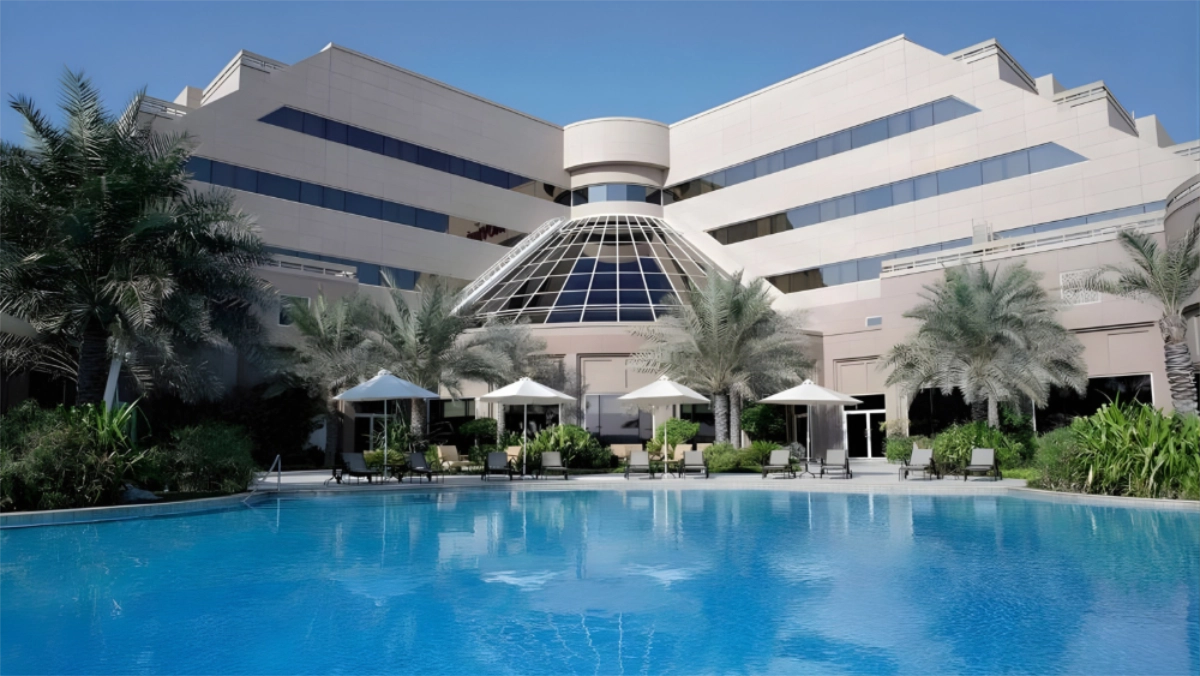
From luxury resorts to city hotels, stakeholders noted that Bahrain offers 30–50% cost advantages compared to the UAE, Qatar, and Oman—without sacrificing service quality. At Jumeirah Gulf of Bahrain, full-board MICE pricing remains remarkably competitive for a luxury brand, while Mövenpick Bahrain and Radisson Blu both pointed out that similar business often defaults to Oman purely due to stronger destination promotion.
Yet, despite this advantage, Bahrain continues to lose share—not because it cannot deliver, but because it is not being considered early enough in the decision cycle.
As one hotelier put it, planners often arrive in Bahrain only after exhausting other Gulf options.
The Experience Layer Is Already There
When it comes to incentive and enrichment programming, Bahrain’s offering is broader than expected.
Across stakeholder interviews, consistently cited experiences included:
- Bahrain International Circuit (from karting to high-performance driving)
- Cultural landmarks such as forts, museums, and souks
- Pearl diving and heritage-based storytelling
- Private island experiences like Hawar, which has hosted international film productions and destination-led buyouts
What’s missing is not product—it’s packaging.
Several stakeholders pointed to the lack of ready-made itineraries, insufficient DMC capacity, and limited global collateral. The result? Highly customised programmes that rely too heavily on individual hotel sales teams rather than a destination-wide push.
What Bahrain Needs Now
The message from the ground was candid—and constructive.
Bahrain does not need to reinvent its MICE proposition. It needs to:
- Tell its story more consistently
- Package experiences more clearly
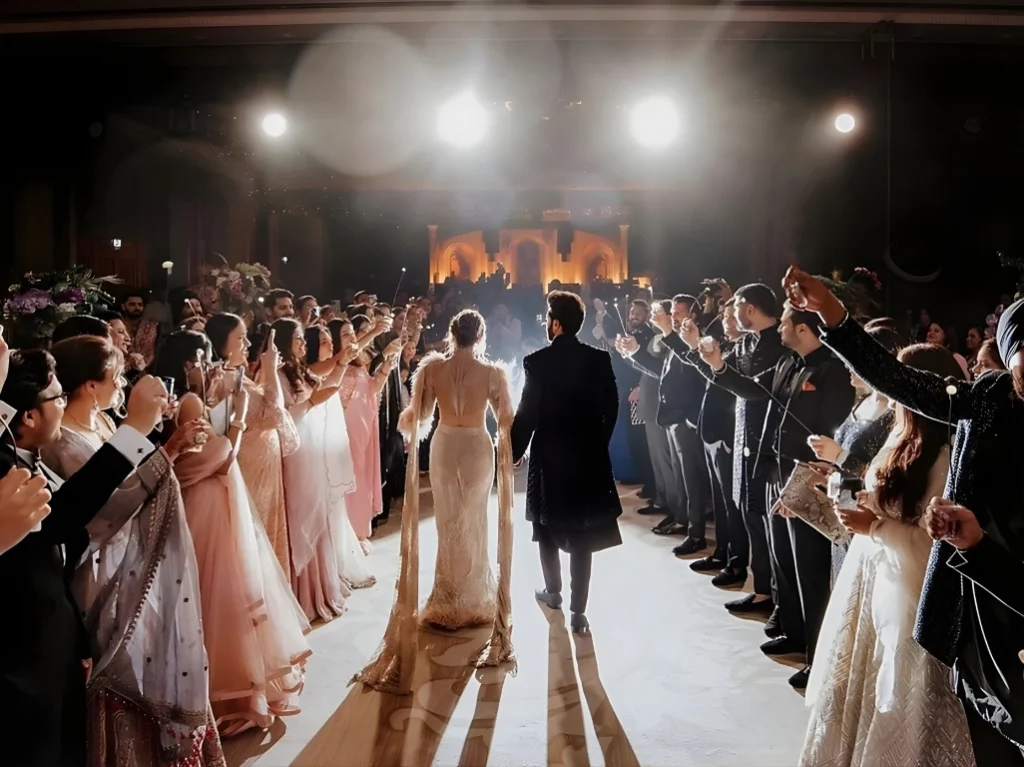
- Extend the same strategic focus given to destination weddings into MICE
- Shift from reactive facilitation to proactive market presence
As one stakeholder noted, Bahrain once positioned itself powerfully with the line “Bahrain – Yours. Mine. Ours.”
The ingredients for such a narrative still exist—perhaps more strongly than ever.
Why This Matters Now
With new infrastructure, growing sports and cultural calendars, and increasing appetite from markets like India, Russia/CIS, and Europe, Bahrain is at an inflection point.
The destination is ready.
The hotels are delivering.
The stories are there.
What’s needed next is alignment—and amplification.