As destinations across Asia Pacific compete to demonstrate deeper value from business events, Sarawak has emerged as a case study in how long-term impact can be embedded into strategy rather than treated as a by-product. With a clear focus on legacy, cross-sector collaboration, and knowledge exchange, Business Events Sarawak is positioning the destination as a leader in purpose-driven meetings.
For CEO Jason Tan Chin Foo, the differentiator lies in how early impact is integrated into the process.
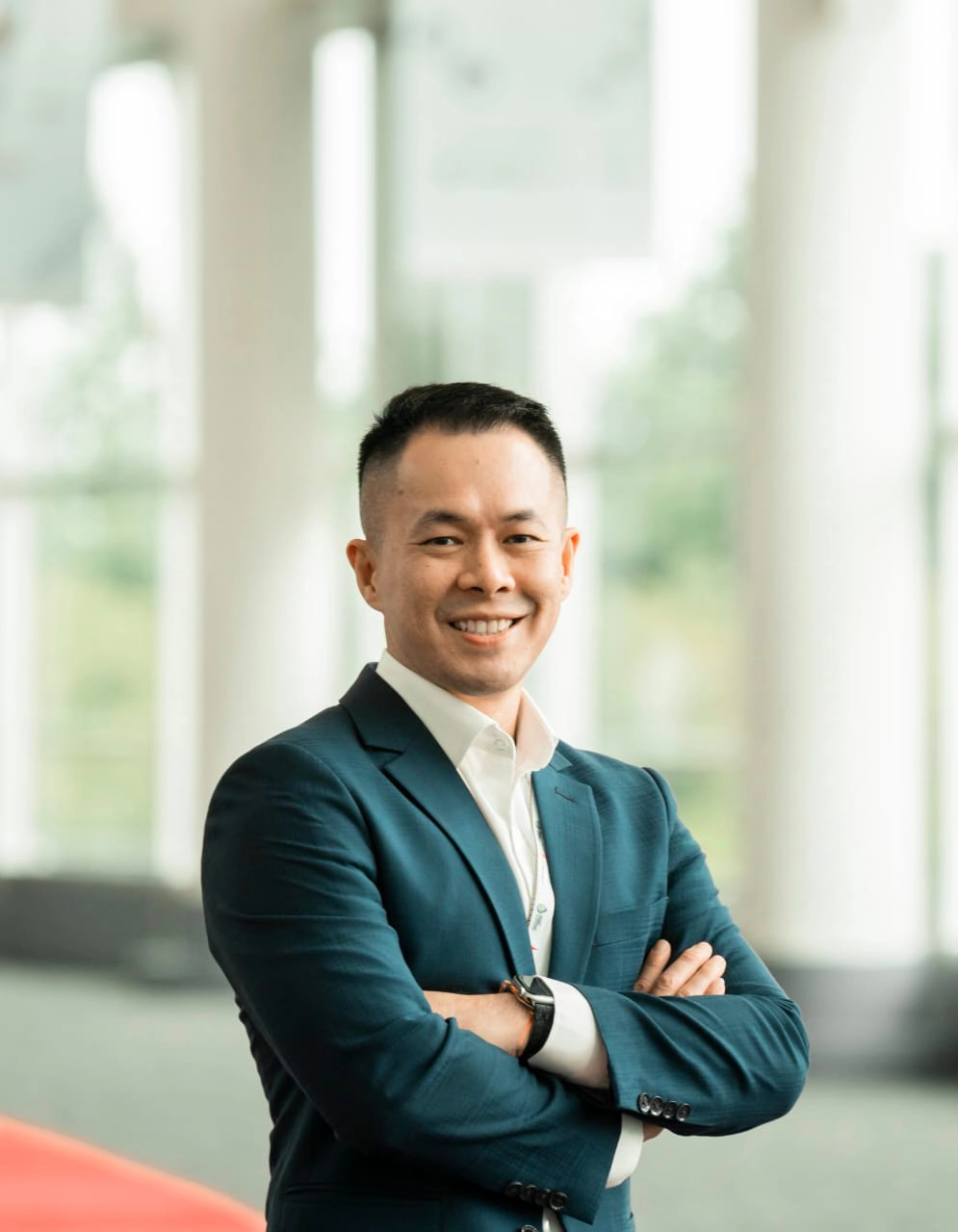
“Sarawak’s commitment to becoming the legacy capital of business events in Malaysia and Borneo shapes everything we do. We do not treat legacy as a coincidence; it is intentionally designed from the very beginning of the event bidding and planning process.”
Jason Tan Chin Foo
CEO
Sarawak
Designing for Legacy, Not Just Delivery
At the core of Sarawak’s approach is its SEE framework—social, economic, and environmental impact—which guides how events are selected and structured. Priority is given to conventions aligned with key sectors such as renewable energy, digital economy, and healthcare, ensuring outcomes extend beyond the event itself.
Equally important is stakeholder integration. “Meaningful legacies emerge through the collective contributions of those involved,” Tan explains, pointing to the role of government, academia, industry, associations, and media in shaping outcomes. This ecosystem-driven model ensures that initiatives are not only relevant but also sustained over time.
Measurement is another critical layer. Through the BESLegacy initiative and the AI. LEGACY Intelligent Impact Management System, organisers can track progress and evaluate how event-driven initiatives evolve. “When these outcomes are measured and monitored, the value of business events becomes even clearer,” he adds.
Bridging Academia and Industry
Sarawak is also expanding the role of business events as platforms for knowledge exchange through its Academic Mobility Programme (AMP). By facilitating study tours and technical visits, the initiative connects universities directly with industry and development sectors.
“AMP creates a practical bridge for students, researchers and academics to engage directly with Sarawak’s industries,” says Tan. More significantly, it positions events as spaces where academic insight meets real-world challenges. “It creates the right environment for both sides to explore and move solutions towards practical application and real impact.”
This integration strengthens regional innovation by encouraging continuous collaboration between academia and industry, rather than limiting engagement to isolated events.
Collaboration as Competitive Advantage
As Sarawak enters the final phase of its Post COVID-19 Development Strategy 2030 (PCDS 2030), national collaboration is becoming increasingly central to its growth. “Collaboration is not only important—it’s the very foundation of Sarawak’s progressive business events industry,” Tan emphasises.
Working with partners across Malaysia enables a stronger, more competitive pipeline. Associations bring global networks, academia contributes research and talent, industry offers operational expertise, and government ensures strategic alignment. “By combining all these, we navigate today’s rapidly complex world and become sustainable as a destination,” he notes.
Importantly, Sarawak’s growth is positioned as part of a broader national narrative. “Progress in one part of the country strengthens the whole nation,” Tan says, underscoring how advancements in Sarawak’s industries and innovation ecosystem contribute to Malaysia’s overall development.
A Model for Purpose-Driven Growth
As global clients increasingly prioritise measurable impact, Sarawak’s model highlights a shift in how destinations must evolve. By embedding legacy into planning, strengthening ties between academia and industry, and scaling collaboration across sectors, the destination is redefining the role of business events.
In Tan’s words, the future lies in intention and accountability: “Business events can be very powerful when impact is thought early, planned deliberately, and co-created with partners to turn ideas into action and outcomes.”