From immersive brand storytelling to personalisation and strategic design, event professionals are rethinking what makes an event memorable. Nowshir Engineer, Rasha Badran and Sarah Feyling share how evolving client expectations are reshaping the industry.
The brief for a successful event is changing. Where conversations once centred on venues, staging, production and spectacle, the focus is increasingly shifting towards audience engagement, brand relevance and the lasting impact an event creates.
For agencies, this evolution demands more than creative execution. It requires a clear understanding of the audience, a defined purpose behind every design decision and the ability to translate brand objectives into experiences that resonate long after the event concludes.
For Nowshir Engineer, CEO of SM Production Events, the shift is evident in how clients articulate their ambitions.

“The brief has moved from ‘What do we want to build?’ to ‘What do we want people to feel?’.”
Nowshir Engineer
CEO
SM Production Events
Clients are increasingly involving agencies earlier in the planning process, seeking strategic input alongside production expertise. The expectation is no longer simply to deliver an event, but to challenge the brief, develop a compelling idea and translate it into a memorable experience.
Projects such as the DAMAC × Oracle Red Bull Racing partnership announcement at Skydive Dubai demonstrate this approach. The challenge was to translate the brands’ shared associations with speed, performance and precision into a live experience where the setting, reveal and production reinforced the same narrative. Other projects, including the Red Sea International Film Festival, District I/O and the Emirati Women’s Forum 2026 at Madinat Jumeirah, demanded distinct creative approaches shaped by their audiences and objectives.
“Different briefs. Different audiences. Different scales. But increasingly, the same question: ‘What is the moment people are going to remember?’” Engineer says.
From attendance to immersion
This shift is also influencing how clients approach event design, with greater emphasis on the guest journey and opportunities for meaningful interaction.
Rasha Badran, Founder and Managing Director of Purple Chair Events, notes that briefs have become more comprehensive, with clients arriving with clearly defined objectives and brand guidelines. This clarity allows agencies to focus on original creative concepts while ensuring the experience remains aligned with the intended outcome.
She identifies a broader move away from information-led events towards immersive brand engagement.
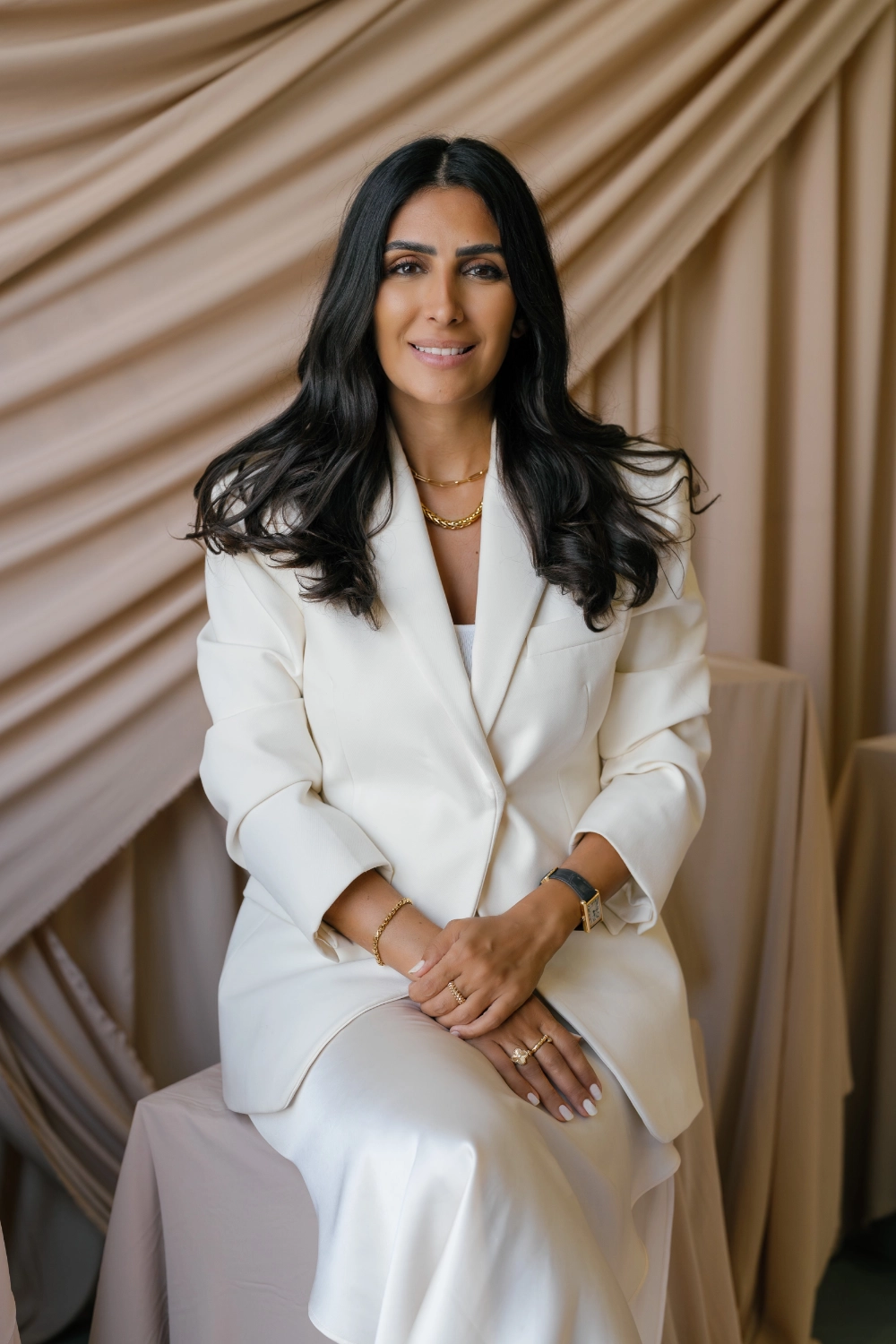
“Clients want guests to step into the world of the brand and experience it rather than simply hear about it.”
Rasha Badran
Founder and Managing Director
Purple Chair Events
From activations and sensory experiences to entertainment and personalised interactions, individual touchpoints are increasingly designed as part of a wider narrative. The objective is to help guests understand a brand through direct experience rather than passive exposure.
This places greater responsibility on agencies to ensure every element serves a purpose. For Badran, the approach is increasingly tailor-made, with creative decisions shaped by the brand, the event’s objectives and the audience.
Redefining value in luxury events
For Sarah Feyling, Founder of Sarah Feyling Consultants, the evolution extends beyond immersive design. It reflects a fundamental change in how clients define value, particularly within the luxury events sector.

“Today, the more interesting conversations are about how clients want their guests to feel and what they want them to remember.”
Sarah Feyling
Founder
Sarah Feyling Consultants
With audiences constantly exposed to visually striking experiences through social media, spectacle alone is becoming less effective as a differentiator. Feyling believes the challenge is identifying what will genuinely resonate with guests rather than replicating experiences they have already seen.
She also highlights the growing importance of time, recognition and personal relevance. Exceptional venues, food and service may be expected at the luxury level, but what distinguishes an experience is often how well it anticipates individual needs and makes guests feel valued.
“Luxury used to be about what you could show. Increasingly, it’s about how you make someone feel.”
This places personalisation at the centre of event strategy. Whether it is a private celebration or a corporate gathering, thoughtful details, meaningful interactions and access to something distinctive can make the experience more memorable.
Designing backwards from the outcome
As expectations evolve, so too does the process of designing and delivering events. Rather than beginning with individual production elements, agencies are increasingly identifying the intended audience response first and building the experience around it.
At SM Production Events, Engineer describes an integrated approach in which creative, production, content, technology and operations work together from the outset. The team maps the audience journey, identifies key moments and develops the infrastructure required to bring the concept to life.
Planning must also account for an event’s digital afterlife. With audiences experiencing events both in person and through screens, agencies are considering how moments translate into photographs, short-form videos and content that continues to circulate long after the event.
“The event may last three hours. The content it creates can live for years,” Engineer says.
For Feyling, the process begins with understanding the psychology behind the brief: why people are being brought together, what they should experience and what they should remember. Her approach is to design backwards from those outcomes, while ensuring that operational precision supports the creative vision.
“I don’t believe our job is simply to organise events. It’s to create experiences that influence how people feel, what they remember and what they say afterwards,” she says.
Ultimately, the changing event brief is not a rejection of spectacle, technology or production ambition. It is a demand for these elements to serve a clearer purpose. As clients seek greater relevance, personalisation and measurable value, the industry’s challenge is to combine creative originality with strategic intent and flawless delivery.
The measure of success is no longer simply what audiences see on the day, but what they remember, share and take away from the experience.