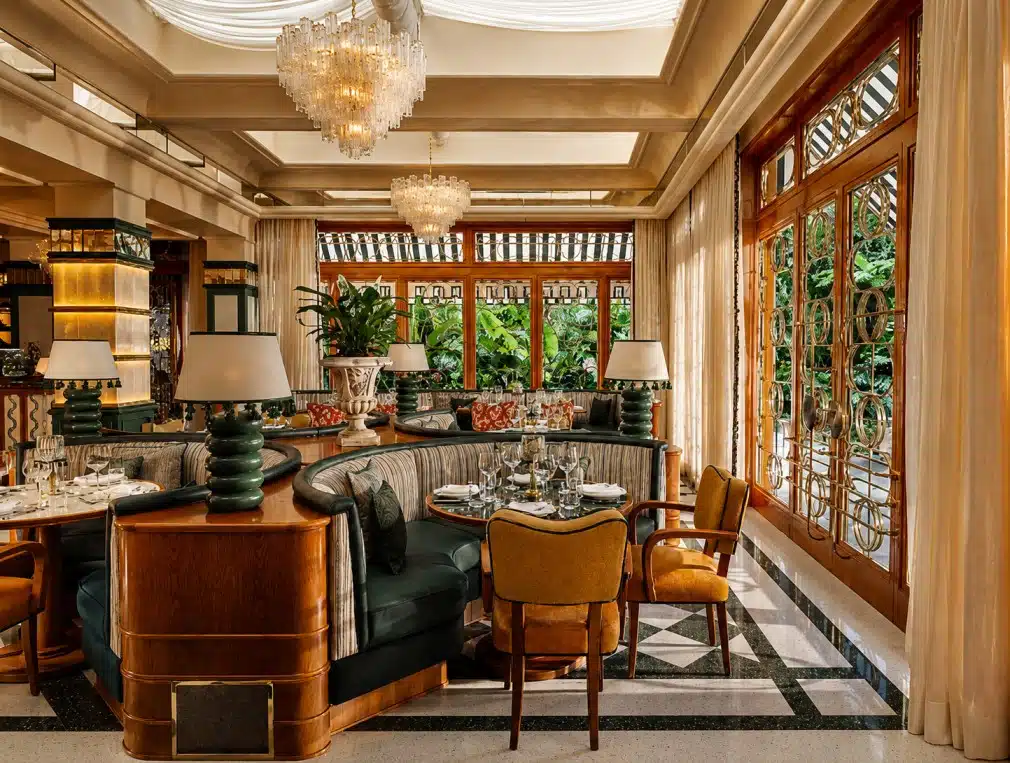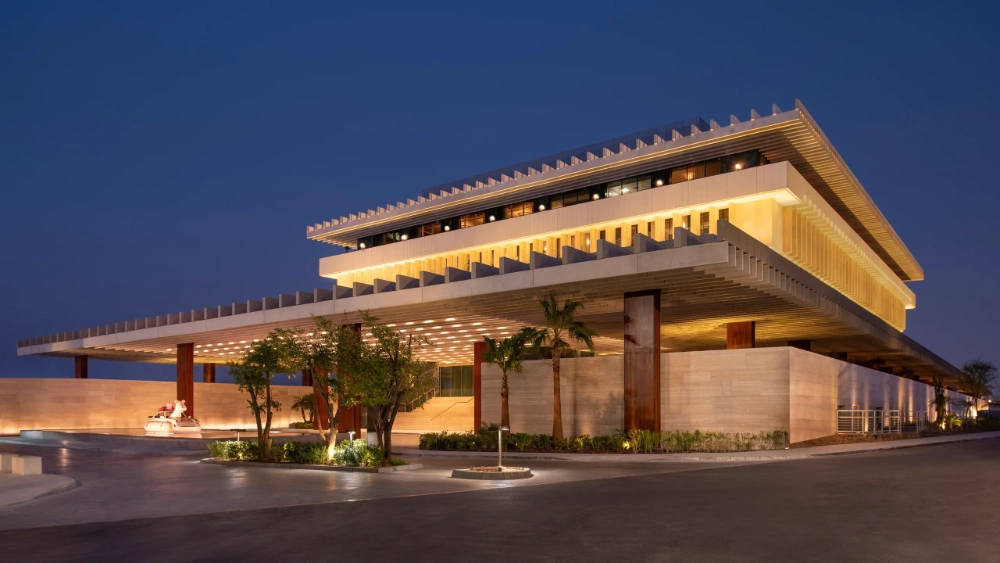
The role of the event venue is changing. For planners, a venue is no longer simply a space to accommodate guests, provide catering and support a programme. Increasingly, the venue itself is becoming part of the story — shaping how an event feels, how guests interact with it and, in some cases, what they take away from the experience.
For Gilda Gilantash, Director of Events at Alserkal Avenue, this shift is reflected in the growing demand for spaces that feel distinctive, flexible and connected to their surroundings.

“They are looking beyond traditional hotel and ballroom environments, particularly when they want to create something more bespoke to their brand or audience.”
Gilda Gilantash
Director of Events
Alserkal Avenue
At Alserkal Avenue, that proposition extends beyond the physical space. As an established arts and cultural community, the destination brings together galleries, creatives, F&B concepts and lifestyle businesses, creating opportunities for planners to incorporate cultural programming, creative partnerships and hospitality into their events.
“The future isn’t necessarily about a venue operating in isolation,” Gilantash says. “There is real value in being able to connect clients with the people and businesses around them — from artists and galleries to chefs, F&B concepts, designers and other creative practitioners.”
That idea of the venue as an ecosystem is also reflected in the evolution of guest experiences. Rather than separating corporate gatherings, entertainment, hospitality and culture into distinct categories, venues are increasingly being asked to accommodate several of these elements within a single event.
Expo City Dubai is seeing a similar shift. Huda Ramadan, Head of Sales – Education & Culture, Expo City Dubai, points to venues such as Terra and C3, where sustainability-focused programming, workshops and team experiences can be integrated into an event alongside immersive attractions.

“We already see this evolution, as we have spaces that naturally integrate sustainability-focused programming, workshops and team experiences, while our immersive attractions provide an additional layer of discovery and entertainment. This allows organisers to build an experience around their event rather than simply host it in a venue.”
Huda Ramadan
Head of Sales – Education & Culture
Expo City Dubai
But creating memorable experiences is not only about what happens inside the venue. Increasingly, planners are also looking for venues that make the planning process itself easier.
At Coca-Cola Arena, Rhyn McCutcheon, Head of Business Development, identifies speed, accessibility and reliability as increasingly important considerations. The venue is developing a dedicated event planner portal that will give planners secure access to up-to-date venue information, helping reduce response times and simplify the sourcing process.
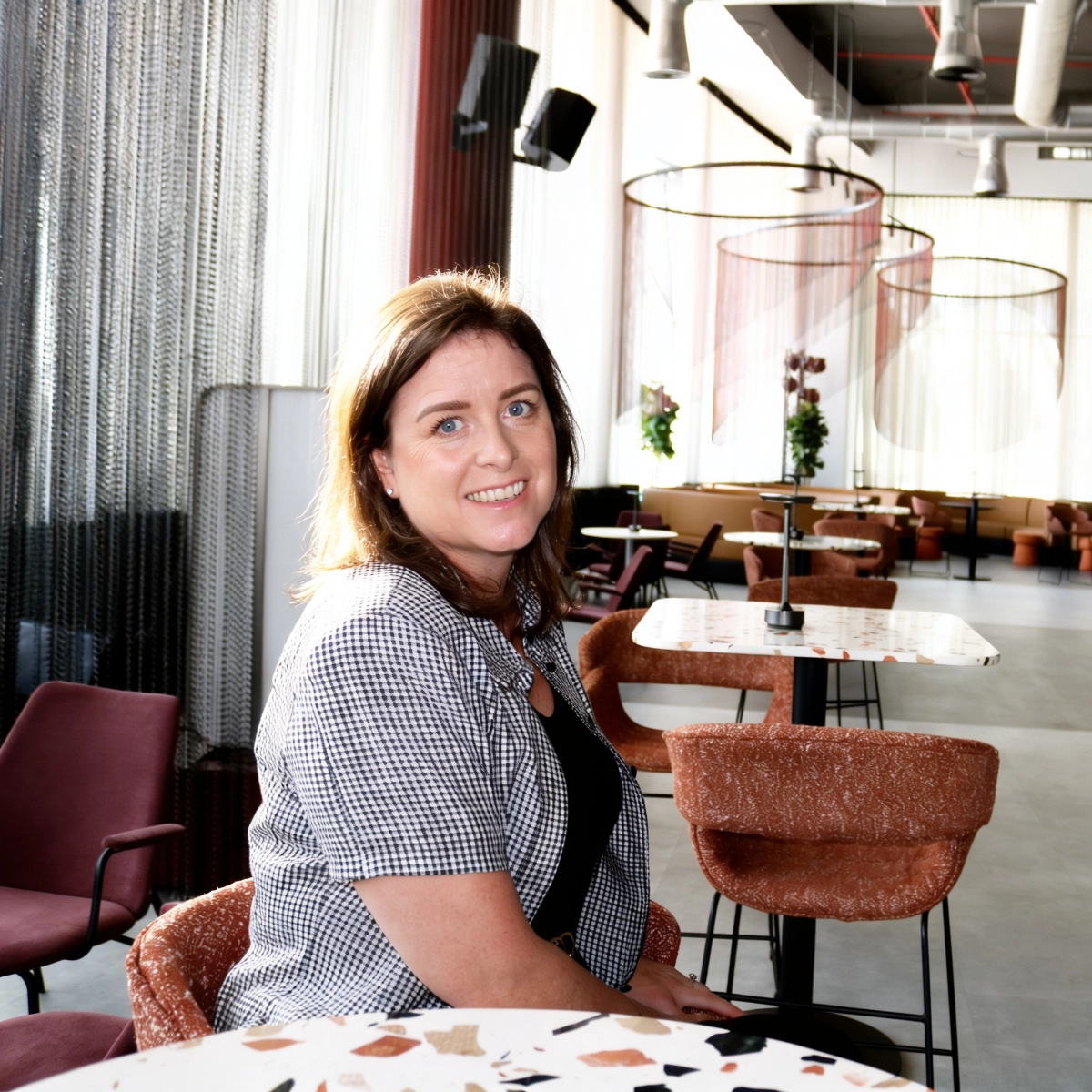
“Event planners work under significant pressure and often against tight deadlines. Knowing that a venue team is responsive, reliable and committed to delivering a high level of service can make a substantial difference.”
Rhyn McCutcheon
Head of Business Development
Coca-Cola Arena
Technology is likely to further reshape this relationship. McCutcheon believes artificial intelligence will increasingly influence venue sourcing and event design, particularly through realistic visual renderings that allow clients to see how an empty space could be transformed before committing to a concept.
Yet technology is unlikely to replace the human element. “Event designers will continue to play a critical role in curating and refining the final guest experience,” she says, “ensuring that creativity, human expertise and understanding remain at the heart of every event.”
For Gilantash, the direction is ultimately about giving planners more freedom rather than prescribing an experience. “Venues need to become more flexible — not necessarily by providing more decoration or designing the experience for the client, but by providing better infrastructure and fewer creative limitations.”
As planners look beyond conventional formats, the most relevant venues may increasingly be those that offer more than capacity and facilities: a sense of place, a creative ecosystem, seamless technology, meaningful programming and the flexibility to turn a space into something uniquely their own.
The venue is no longer simply where the event happens. Increasingly, it is part of what the event is.