As South African outbound MICE evolves, a clear shift is underway—away from predictable destinations and standardised programmes, toward experiences that are immersive, meaningful, and strategically designed.
Insights from planners and destination experts reveal a market driven by value, distinctiveness, and experience-led decision-making, alongside growing confidence in emerging regions.
On Destination Momentum
For South African planners, destination choice is becoming increasingly intentional.
Zaritha Van Wyngaardt, Owner of The Obvious Choice, highlights a rise in demand for Balkans, Baltics, and Poland, driven by safety, value for money, and the appeal of lesser-explored destinations. Emerging regions such as Central Asia (“the Stans”) are also entering consideration sets.

Zaritha Van Wyngaardt
Owner
The Obvious Choice
Similarly, Robyn Ireton, General Manager at Tourvest Meetings & Events, points to strong momentum across Argentina, Brazil, and Asia.

“What we’re seeing is a move away from default destinations. Clients want locations where the destination itself becomes part of the experience—not just a backdrop.”
Robyn Ireton
General Manager
Tourvest Meetings & Events
Latin America’s cultural depth, infrastructure, and competitive value are proving particularly compelling, while Asia continues to attract with its diversity of experiences and strong value proposition.
At the same time, Africa is being re-evaluated through a new lens.
Nina Pieters, Founder of Extraordinary Events & Tours, notes that the continent is no longer viewed solely through a safari lens. Cities like Cape Town and Kigali, alongside destinations such as Tanzania and Zanzibar, are offering multi-layered programmes that combine urban, wildlife, and coastal experiences—often within a single itinerary.
On Evolving Programme Design
Programme expectations have shifted decisively toward experience-first design.
Across planners, three elements are now non-negotiable:
- Authentic cultural immersion
- Community engagement and giving back
- Distinctive venues and settings
Van Wyngaardt emphasises the importance of community involvement and cultural exchange, while Ireton notes that “once-in-a-lifetime experiences are no longer aspirational—they are the brief.”
Sustainability is also moving into the core of programme design. Clients are increasingly prioritising locally sourced food, environmentally responsible venues, and measurable impact on local communities.
On the ground, this translates into highly curated experiences.
Barry Futter, Founder of Adventure Works, describes a move beyond traditional itineraries toward interactive, story-driven experiences—from powerboating around the Cape Peninsula to kayaking with penguins, cultural walking tours, and immersive township dining.
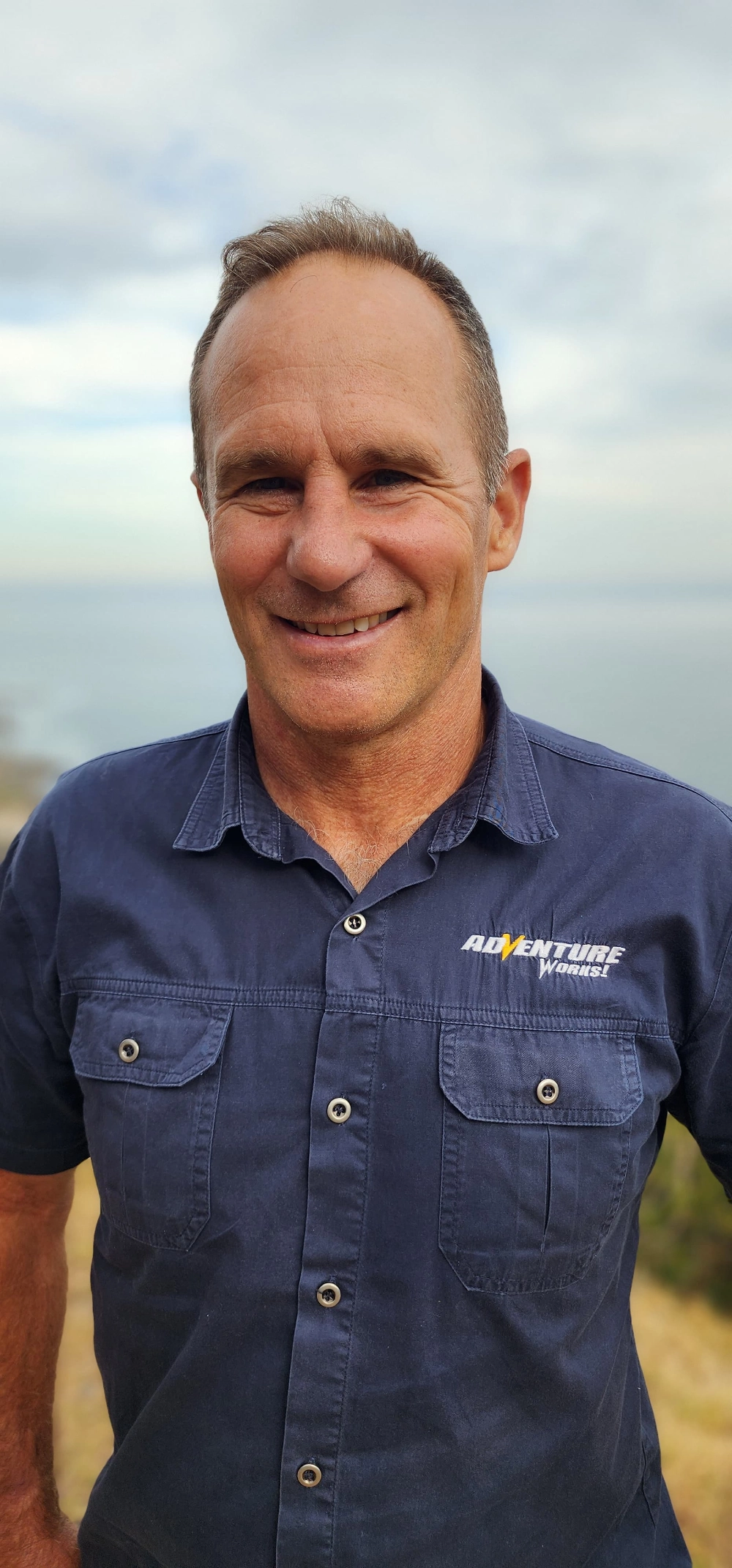
“The focus is on connecting people to place in a way that feels personal and memorable.”
Barry Futter
Founder
Adventure Works
Across Africa, this is further enhanced by the continent’s ability to deliver diversity within a single journey—from city to safari to beach—creating programmes that are both globally competitive and uniquely local.
On Planning Dynamics & Decision-Making
The operational landscape is also shifting—toward speed, precision, and accountability.
Lead times are compressing significantly. “Clients expect near-immediate responses,” Ireton notes, with 48-hour turnaround times becoming standard. Van Wyngaardt echoes this, describing an “instant gratification mindset” among clients.
Group sizes, meanwhile, are becoming more curated. While trends vary, there is a growing preference for smaller, high-value groups, where the experience can be more tightly controlled and elevated.
Decision-making criteria are also evolving.
Political and physical stability remain critical, alongside increasing emphasis on air connectivity and airline reliability, which often represent a significant portion of overall programme cost.
At the same time, misconceptions around destinations—particularly in Africa—are being actively challenged.
“There’s still a perception that large groups limit experience design, or that safety is a barrier,” Futter notes. “But with the right planning, we’re able to deliver highly immersive, safe, and seamless programmes at scale.”
Improved infrastructure, enhanced connectivity, and the growth of luxury hospitality are further strengthening planner confidence across emerging destinations.