As destination weddings evolve into immersive, multi-day experiences, planners across the UK and international markets are seeing a decisive shift in how couples approach location, design and delivery. For 2026–27, prestige alone is no longer the primary driver. Instead, couples are prioritising destinations that balance experiential depth with operational reliability — places that feel distinctive, yet effortless to execute.
Leading planners working with Indian and multicultural clients say that guest experience, logistical confidence and flexibility now shape every early conversation.
On Destination Choices & Demand Shifts
India continues to hold strong appeal for UK-based Indian weddings, particularly Goa and Rajasthan. Reena Popat, Founder of Bespoke Weddings Abroad and VIVERE Luxury Events, notes that both destinations offer very different yet equally compelling propositions.

Reena Popat
Founder
Bespoke Weddings Abroad and VIVERE Luxury Events
“Goa remains popular for couples seeking a relaxed, contemporary coastal setting supported by strong hospitality infrastructure, while Rajasthan continues to appeal for its heritage palaces, sense of scale and ability to host grand, multi-event celebrations with depth and symbolism,” she explains.
Beyond India, planners are seeing increased interest in Portugal, Spain, Morocco, Sri Lanka and lesser-explored regions of Italy. Thailand, long established in the Indian wedding market, is being reconsidered by couples seeking value without compromising delivery.
“Luxury clients are no longer chasing the most obvious destination — they’re choosing places that allow for depth, flexibility and a sense of discovery without operational friction,” says Popat.

Alison Hargreaves
Director
Beyond Weddings
Alison Hargreaves, Director at Beyond Weddings, echoes this sentiment. “For 2026–27, interest is concentrating around destinations that offer both experiential depth and operational reliability. Visa simplicity, direct flights and hotels experienced in managing multi-day, multicultural weddings make a significant difference.”
Sri Lanka, Abu Dhabi and Ras Al Khaimah are emerging strongly, while lesser-known parts of Greece and Southeast Europe appeal to couples seeking exclusivity beyond overexposed hotspots. Prestige still matters — but distinctiveness now carries more weight than familiarity.
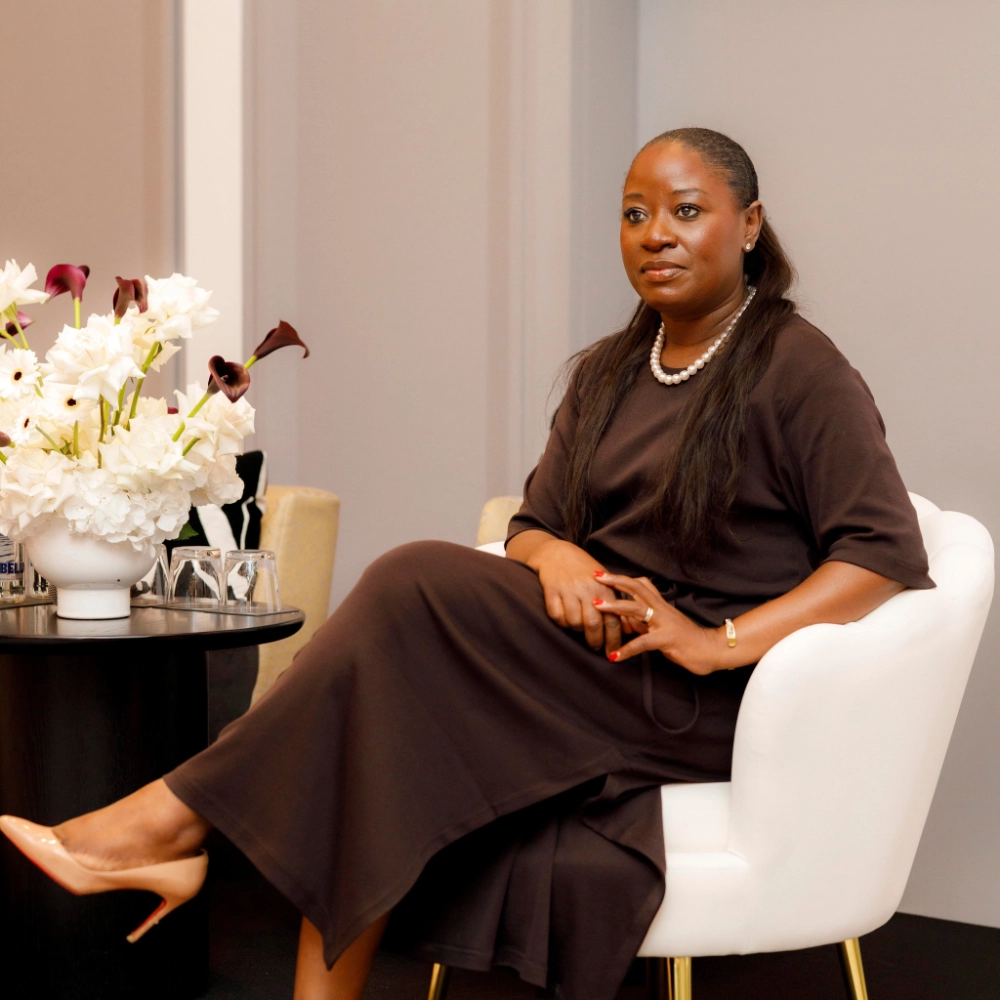
Rugie Wurie
Creative Director & Founder
Mrs Wedding Planner
Adding a multicultural lens, Rugie Wurie, Creative Director & Founder of Mrs Wedding Planner, highlights a shift toward visually distinctive venues. “Heritage properties and architecturally strong venues are driving demand,” she notes.
Malta and Portugal are emerging strongly for their accessibility, coastal appeal and hospitality infrastructure, with private estates and villas offering exclusivity within manageable logistics. “The venue is now the anchor decision,” she adds, with couples building celebrations around properties that reflect personal narrative and cultural alignment.
Sri Lanka, Abu Dhabi and Ras Al Khaimah are emerging strongly, while lesser-known parts of Greece and Southeast Europe appeal to couples seeking exclusivity beyond overexposed hotspots. Prestige still matters — but distinctiveness now carries more weight than familiarity.
On Evolving Wedding Programmes & Guest Experience
Programmes are becoming more intentional and narrative-led. Destination weddings are no longer structured as a sequence of standalone events; instead, they unfold as cohesive journeys across two to four days.
“The most successful destination weddings now feel less like a production and more like a carefully paced journey, where the location becomes part of the story, not just the backdrop,” says Popat.
Couples are designing curated welcome moments, incorporating local artisans and musicians, and creating wellness-led pauses between high-energy celebrations. Cultural elements are layered in authentically, particularly in multicultural weddings, but always within a coherent design framework.
Hargreaves observes that while programmes are often longer, spending is more strategic. “The core wedding day still carries the production weight. What has shifted is guest count. When you ask guests to travel internationally, you invite the people who truly matter — and that creates space to invest more per guest.”

Priti Raichura
Director
Priti Raichura Events
Priti Raichura, Director of Priti Raichura Events, adds that the wedding day is now viewed as just one chapter of a wider experience. “Couples are designing entire weekends — welcome evenings that introduce the destination thoughtfully, entertainment that builds energy across events, and moments that allow guests to genuinely enjoy the location.”
On Planning Behaviour & Decision-Making
Planning timelines are evolving. Some luxury weddings are confirmed 12–18 months in advance, particularly where buyouts and complex logistics are involved. Others are being secured within six months, increasing pressure on venues to respond quickly and clearly.
“Slow turnaround costs business,” notes Hargreaves. “Couples expect speed and transparency.”
Budgets at the high end remain strong, but allocation is more deliberate. Many couples are choosing smaller guest lists while elevating production, privacy and full property control. In larger diaspora weddings, expectations around contingency planning and logistical precision are higher than ever.
Raichura highlights the growing importance of trust. “Couples are asking practical questions — visa ease, elderly guest comfort, Plan B scenarios. Trust has become one of the most valuable currencies in destination weddings.”
Family involvement remains significant, particularly in Indian weddings, but decision-making is more structured and planner-led. Couples want partners who can balance cultural nuance with contemporary design and destination realities.
Wurie notes a shift in decision-making dynamics. “Clients are more informed, selective and value-driven.”
Lead times may be shortening, but spend per guest is rising, with a strong focus on venue, experience and design impact. “The balance of power has shifted — clarity and differentiation are essential,” she adds.
Hotels that simplify logistics and offer flexibility are outperforming, while destinations must deliver both cultural nuance and operational ease.
A More Exacting Market
For destinations and hotels targeting 2026–27 weddings, the message is clear: beauty alone is no longer enough. Speed, flexibility, cultural understanding and operational excellence are now competitive differentiators.
As Popat succinctly puts it:
“Destinations that understand cultural nuance and offer genuine flexibility will always outperform those relying on a one-size-fits-all luxury model.”
In a market defined by intention and discernment, couples are not simply choosing a backdrop. They are choosing confidence, cohesion and how their guests will remember the journey.