As meetings and events grow larger, more global, and more closely scrutinised, sustainability in hotel operations has moved decisively from intention to expectation. For venues hosting high volumes of corporate meetings, association congresses, and international conferences, responsible practices must function at scale—integrated into systems, measurable in impact, and seamless for clients and delegates.
Increasingly, sustainability is shaping not just how events are delivered, but how venues are evaluated. Transparency, reporting, and demonstrable outcomes are becoming as influential in venue selection as infrastructure, service quality, and location. Two Dubai hotels—Atlantis Dubai and Grand Hyatt Dubai—illustrate how different operational models are responding to this shift, each embedding sustainability in ways that align with their scale, clientele, and commercial strategy.
Structured Sustainability: Atlantis Dubai’s Programme-Led Approach
At Atlantis Dubai, sustainability is addressed through formal structure and accountability. The resort’s Meet Responsibly Project is a dedicated meetings and events framework aligned with the four pillars of the Atlantis Atlas Project: Responsible Operations, Conservation & Animal Welfare, Education & Awareness, and People & Culture.
According to Kelly Timmins, Executive Director Sustainability and Marine Animal Operations, sustainability is designed into the full event lifecycle—from early planning conversations to post-event reporting—ensuring environmental impact is actively managed rather than treated as an add-on.
The Meet Responsibly package enables tangible outcomes at scale. Clients can host single-use plastic-free meetings, select vegan, vegetarian, or sustainably sourced menus, and access Fairtrade® certified tea, coffee, and sugar. Events are supported by Atlantis Artisan Filtered Water from the resort’s on-site bottling plant, significantly reducing reliance on single-use bottles. Each event is accompanied by a Meeting Impact Statement detailing energy and water consumption, waste diversion rates, and key sustainability highlights—providing clients with clear, auditable insights.
Beyond operational measures, Atlantis embeds contribution into its commercial model. One percent of the event booking value (net of VAT) is directed to the Atlantis Atlas Project Contribution Programme, supporting conservation initiatives such as coral reef restoration and improved seafood traceability in the UAE and globally.
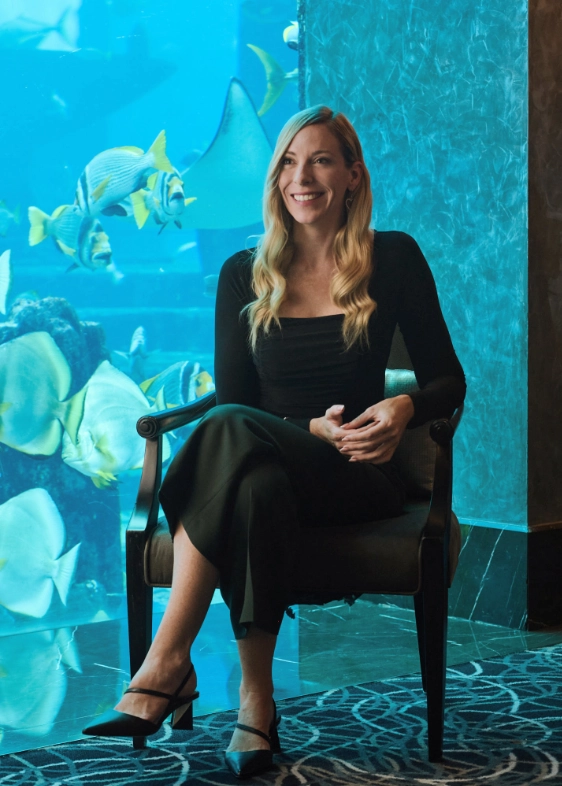
“These measures have led to measurable reductions in waste sent to landfill, greater transparency in environmental reporting, and increased awareness among both clients and suppliers.”
Kelly Timmins, Executive Director, Sustainability and Marine Animal Operations, Atlantis Dubai
Embedding Responsibility into Daily Operations: Grand Hyatt Dubai
While Atlantis Dubai takes a programme-led approach, Grand Hyatt Dubai demonstrates how sustainability can be integrated into the everyday mechanics of high-volume event delivery.
At Grand Hyatt Dubai, sustainability is positioned not as a standalone offering but as an operational standard embedded into planning, service design, and execution. Nikhil Satwani, Executive Assistant Manager – Sales & Marketing, explained that the hotel focuses on practical, scalable actions that reduce environmental impact without disrupting guest experience.
These include refillable water stations, bulk food service to minimise packaging, paperless meetings supported by digital signage, and sustainable décor options such as potted plants and digital backdrops. The emphasis is on reducing waste at source.
Operational efficiency plays a central role. Accurate headcounts, plated meals where appropriate, reduced coffee brewing, and optimised temperature control across event spaces help limit food and energy waste. To support client accountability, Grand Hyatt Dubai provides event-specific environmental footprint reporting aligned with the Hotel Carbon Measurement Initiative (HCMI) and Hotel Water Measurement Initiative (HWMI).
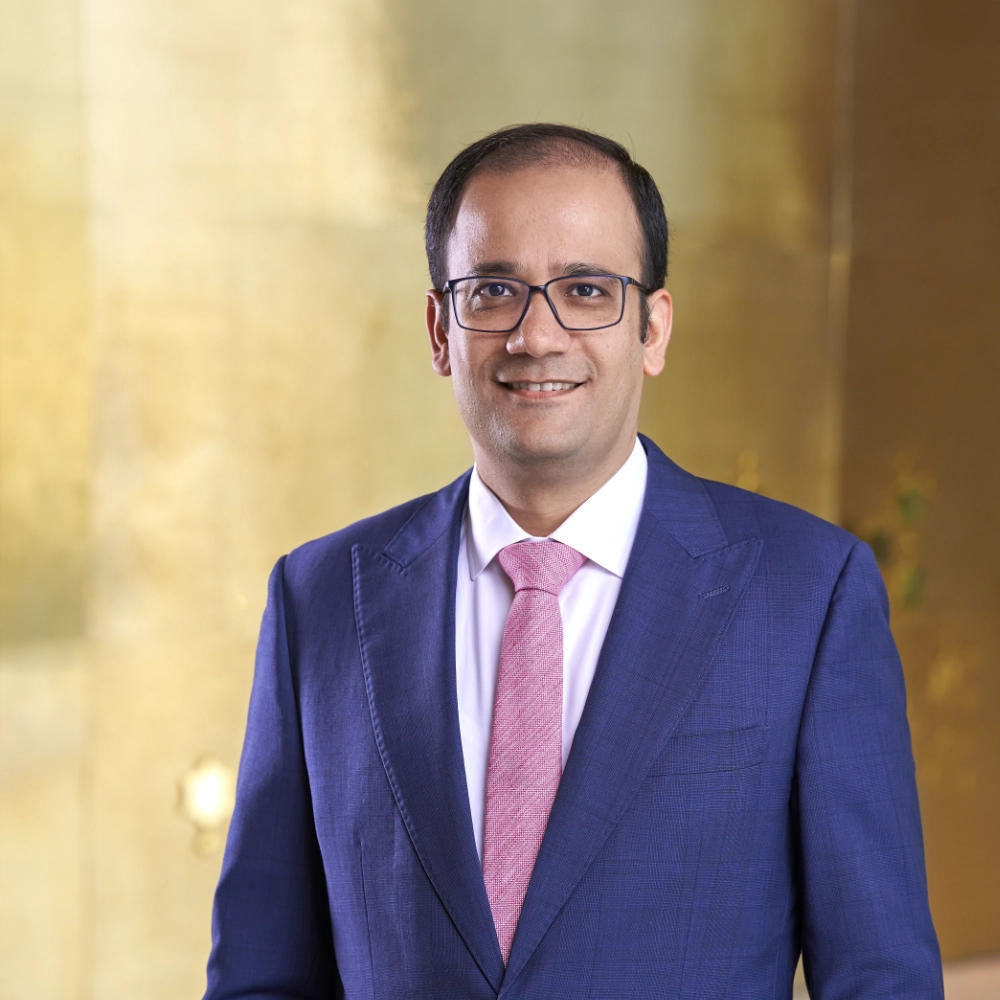
“The impact has been tangible. We’ve seen reduced waste, more efficient energy and water use, and increased awareness among clients and attendees—while maintaining guest comfort and service standards.”
Nikhil Satwani, Executive Assistant Manager – Sales & Marketing, Grand Hyatt Dubai
Sustainability as a Commercial Driver in Event Venue Selection
Across both properties, collaboration is central to implementation. At Grand Hyatt Dubai, event teams are trained to introduce sustainable options early in the planning process, while suppliers are encouraged to reduce packaging and prioritise reusable or bulk solutions—ensuring consistency across delivery.
Importantly, sustainability is now influencing commercial outcomes. Timmins noted growing demand from corporate clients, international conferences, and purpose-driven brands for credible sustainability frameworks.
“Clients actively ask about environmental practices,” she said. “Having a structured programme like Meet Responsibly supports their own sustainability goals while building trust and long-term partnerships.”
Satwani echoed this shift, observing that sustainability has become a decisive factor in venue selection. “Venues that can demonstrate reduced waste, provide carbon and water reporting, and offer flexible sustainable options are increasingly preferred. This has strengthened client relationships, driven repeat business, and positioned Grand Hyatt Dubai as a venue of choice for responsible events.”
As hotels continue to balance operational excellence with environmental responsibility, sustainability is emerging as a marker of maturity rather than differentiation. For venues operating at scale, the ability to integrate responsible practices into systems, reporting, and client conversations will increasingly define leadership in the next phase of global meetings and events.