Preferred Hotels & Resorts, the world’s largest independent hotel brand, has identified seven trends set to define luxury travel in 2026, drawing on insights from its Luxury Travel Report developed with The Harris Poll.
The data captures a changing luxury travel landscape, where sport-led experiences, cultural immersion, science-backed wellness and intimate seafaring redefine how high-end travellers explore the world.
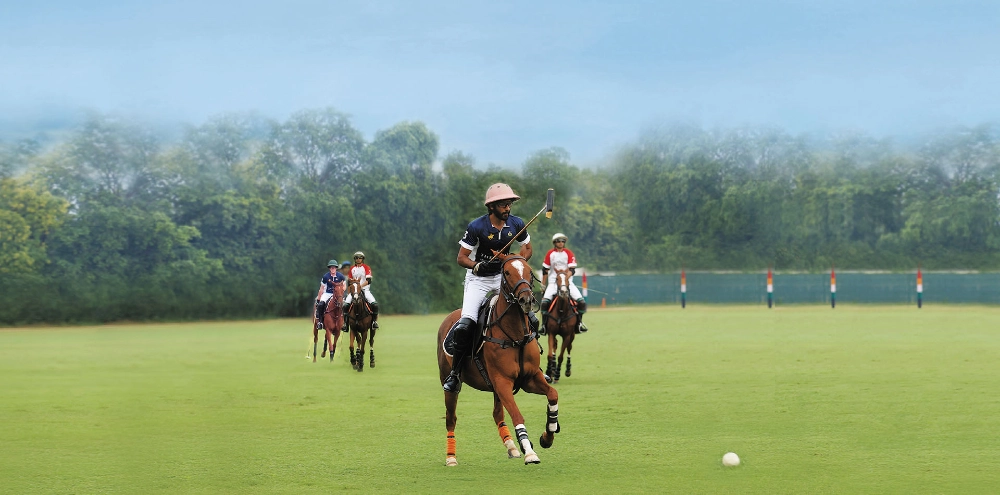
Sport-led luxury travel is becoming more bespoke, as major global events such as Formula 1 and the Olympics merge with curated hospitality experiences. Hotels are responding with tailored access and cultural immersion, for example, The Leela Palace Jaipur, where guests can experience polo during the Maharaja Sawai Man Singh Polo Cup alongside heritage-inspired wellness rituals.
Heritage immersion is gaining momentum, with travellers seeking stays that offer meaningful connections to local history. Restoration-led openings such as Romègas Hotel in Malta, Serras Sevilla in Spain and Palais Jamaï Fès in Morocco reflect a growing preference for historic properties reimagined for modern luxury.
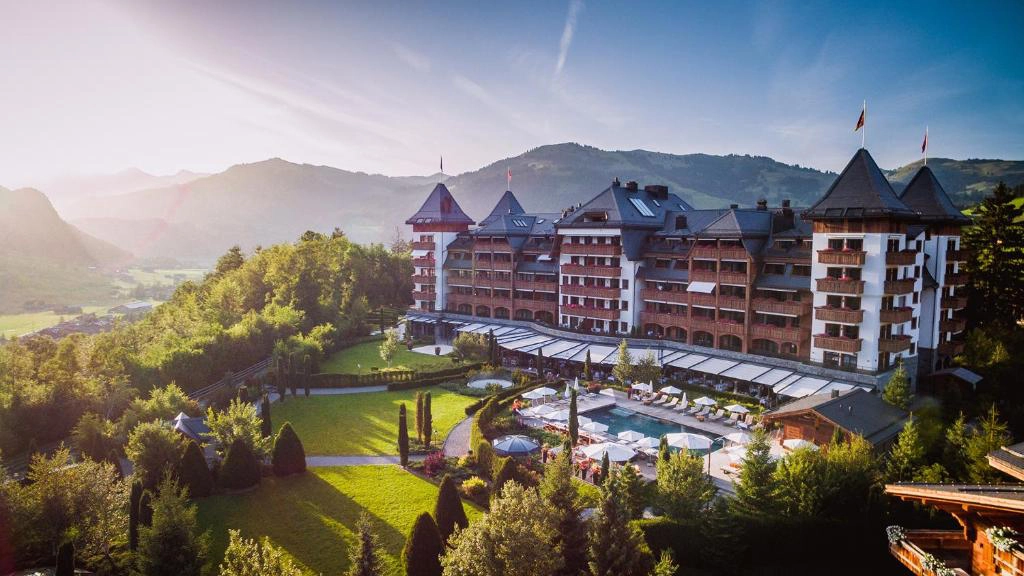
Wellness is shifting towards science-led optimisation, described as “cognitive wellness”, combining technology with traditional healing. From sleep clinics at Sommerro in Oslo to biohacking programmes at The Alpina Gstaad in Switzerland, luxury wellness now prioritises long-term, measurable outcomes.
Luxury cruising is moving towards smaller, design-focused voyages, a trend Preferred terms “boutique seacationing”. Intimate journeys such as the Mazaj Meroot Nile cruise combine curated itineraries with chef-led dining and wellness, offering a more immersive alternative to mega-ship cruising.
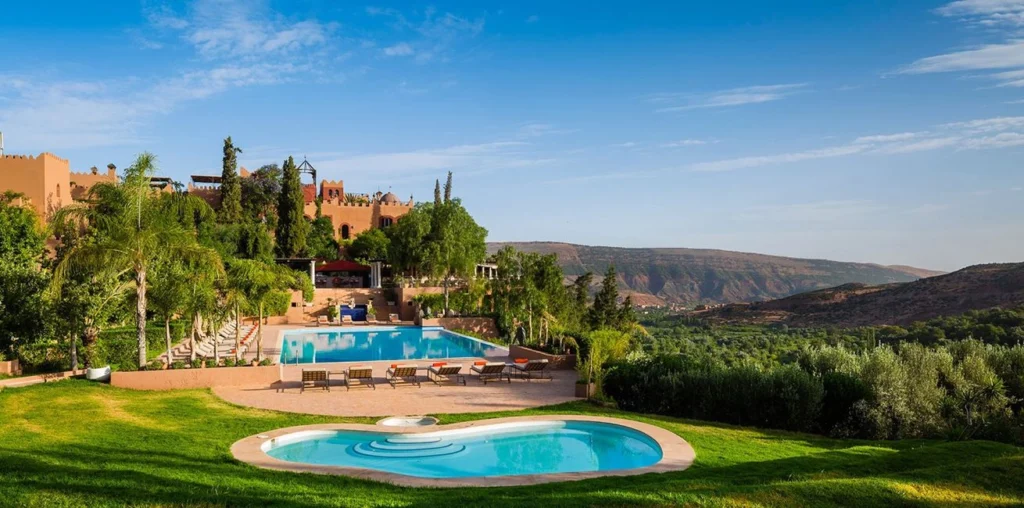
Authenticity is overtaking mass-produced luxury, as travellers reject “beige-ified” hotels in favour of distinctive properties with a strong sense of place. Hotels such as Kasbah Tamadot in Morocco and Rancho Santana in Nicaragua are responding with community-led and craft-driven experiences.
Nature-led wellness is also on the rise, with travellers seeking outdoor rituals that encourage reconnection and mindfulness. Experiences range from barefoot grounding and forest bathing to moon-aligned wellness practices at properties such as Casa Velas in Puerto Vallarta and Bernardus Lodge & Spa in California.
Pet-friendly luxury travel is expanding, with hotels offering elevated services for four-legged companions. Preferred’s Preferred Pets programme and properties such as Nemacolin and The Mark in New York demonstrate how pet-inclusive travel is becoming a standard expectation in the luxury segment.
For the MICE and incentive travel industry, these shifts present clear opportunities to rethink how business events are designed and delivered. As luxury travellers prioritise immersion, wellness and a distinct sense of place, the same elements can be leveraged to create more engaging conferences, incentives and leadership gatherings, positioning destinations and hotels as experience partners rather than traditional venues.